


SECURE CONNECTED HABITAT
Tigers once roamed an astonishing expanse, stretching across 11.5 million km², 116 ecoregions and the modern-day territory of 36 countries. Today, they occupy barely a fraction of that range. A 2025 study published in Diversity and Distributions reveals that tigers have lost 90–95% of their indigenous habitat over the past 8,500 years, because of accelerating human-driven disruption during the past 6,000 years.
This milestone paper, co-authored by Tigers Alive and WWF colleagues as part of the Tiger Conservation Coalition, used over 70,000 spatial records and advanced modelling to reconstruct the species’ historic footprint. The findings are sobering but they also reinforce why WWF’s work to restore healthy prey populations, strengthen protected areas and reconnect fragmented landscapes is so urgent.
Keep reading to discover how tiger range countries across Asia are rising to this challenge with support from WWF. From innovative habitat management to prey reintroductions, these efforts offer hope that, together, we can reverse the trend and secure resilient, connected landscapes where tigers and the ecosystems they anchor, can thrive.
TIGER MONITORING

Tigers Double in India’s Achanakmar Tiger Reserve
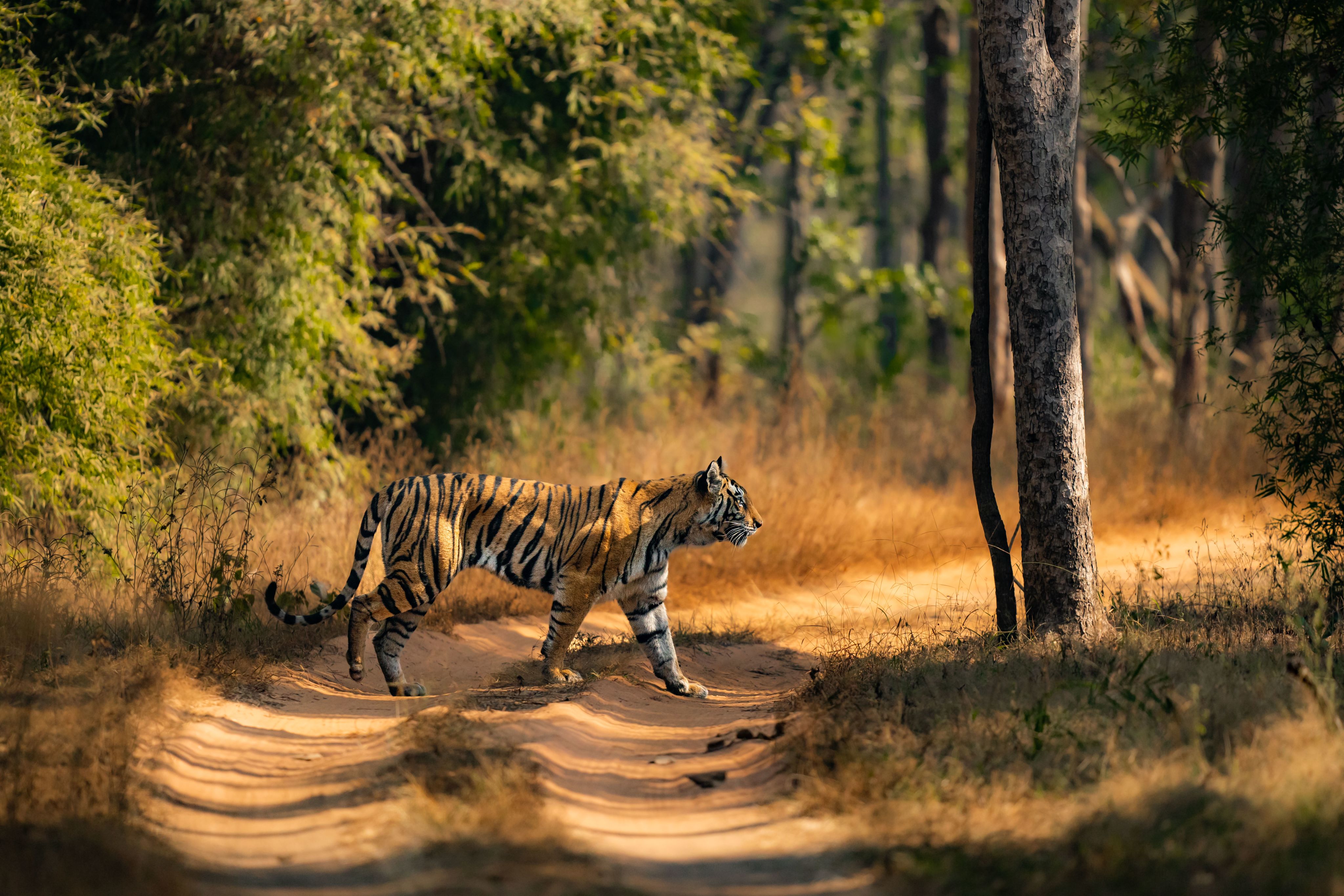
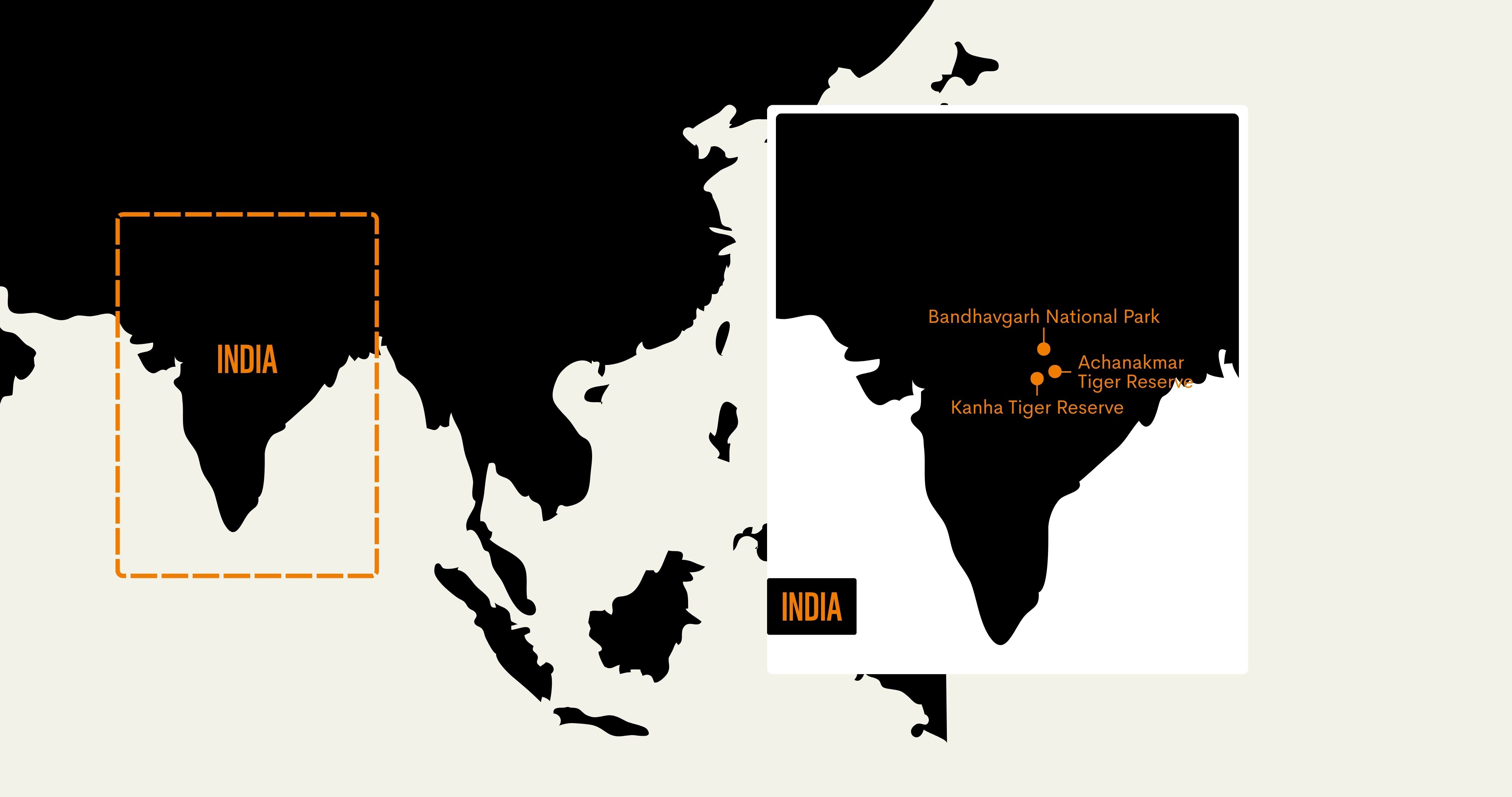
Tiger numbers in Achanakmar Tiger Reserve have doubled from five in 2017 to ten in 2024. The report Recovering Stripes: A Population Status of Tigers and Their Prey in Achanakmar Tiger Reserve released in 2025 by WWF-India in collaboration with the Chhattisgarh Forest Department, showed dispersing individuals from Bandhavgarh National Park and Kanha Tiger Reserve, which is evidence of healthy landscape connectivity that is essential for genetic diversity and long-term survival.

“For the first time in nearly 15 years, Achanakmar has a tiger population with multiple breeding-age individuals, an optimal sex ratio and several litters. This marks a turning point for the reserve, with conditions now favourable for sustained population growth” explains Upendra Dubey, Senior Project Officer at WWF-India.
The report emphasises the role of robust prey populations and ongoing efforts in habitat management, staff training and community engagement. WWF-India and the Chhattisgarh Forest Department have been working together in Achanakmar Tiger Reserve since 2000 on habitat management, capacity building for forest staff and community engagement programs aimed at coexistence and sustainable conservation. The findings of this report not only reflect the success of these efforts but also reinforce the importance of continued collaboration and science-based strategies in securing the future of India’s tigers.

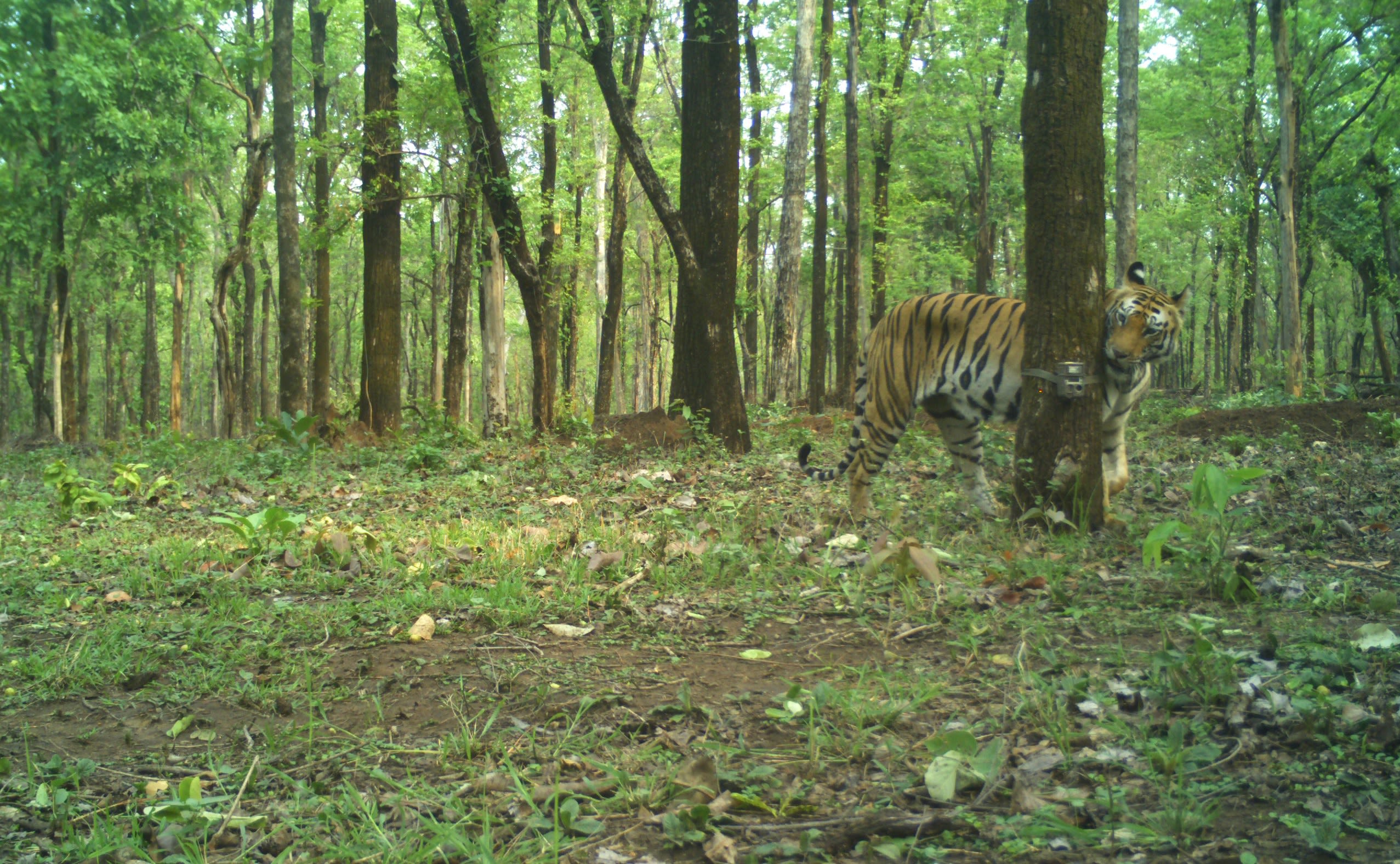
© Chhattisgarh Forest Department
© Chhattisgarh Forest Department
Tiger populations resurge in India’s Coimbatore Forest Division
Recent WWF-India surveys, with the Tamil Nadu Forest Department, have confirmed nearly 30 tigers in the Coimbatore Forest Division—a territorial forest division outside the protected area network. Until recently this site was known for only occasional tiger presence. Located near the bustling city of Coimbatore and vital for regional water security, these forests are emerging as a promising tiger recovery site.
WWF-India has worked closely with the State Forest Department to strengthen protection and management here, building on a decade of recovery in Nilgiris and Sathyamangalam Tiger Reserves, which now hold about 150 tigers. This success is paying off as populations are rebounding in these reserves, and tigers are dispersing into adjoining habitats like Coimbatore Division signalling a significant conservation win.
Nepal’s National Tiger Population Survey Begins
Led by the government and supported by WWF-Nepal, Nepal has kicked off its fifth national tiger census. The last census took place in 2022 which confirmed the country had doubled their wild tiger population. Starting in December 2025, the census will reveal how tiger populations in Nepal have fared since 2022, as well as update its National Status, which will be revealed on Global Tiger Day, 29 July 2026. The census will also provide insights on the distribution of tigers across the landscape as well as tiger prey number and density estimates. These national surveys are a huge undertaking, requiring collaboration between multiple partners, including WWF-Nepal.
“Every national tiger census is more than a scientific exercise, it is a unifying effort that brings together communities, government and conservation partners across Nepal. WWF-Nepal is proud to be a contributor to this process. This census is especially exciting as tigers are moving into former and newer ranges, reflecting both conservation success and new challenges. The national tiger figure gives hope for Nepal and for the future of tigers across Asia, building on our TX2 success. Crucially, the data will guide better management of human-tiger conflict and help to promote long-term human-tiger coexistence and opportunity for wildlife tourism.”
- Dr. Ghana Gurung | Country Director, WWF-Nepal
Tiger Monitoring in Sumatra, Indonesia
In 2025, WWF-Indonesia advanced its Tiger Programme through systematic camera-trap surveys across the Rimbang Baling–Betabuh–Batanghari Landscape, a critical stronghold for the endangered Sumatran tiger. Conducted in collaboration with local authorities, these surveys provided essential insights into population status, density and individual identification. Within the Rimbang Baling buffer zone, three distinct tigers were photographed and identified and tiger monitoring at PT. Alam Bukit Tigapuluh (a restoration concession in Bukit Tigapuluh) identified 3 tigers (2 males and 1 female). These findings strengthen the landscape-level conservation model aimed at securing a viable population across core habitats. This continuous stream of data forms the baseline for threat analysis and adaptive management, ensuring the long-term survival of this apex predator.
FEATURE STORY: five tiger cubs recorded in northeast china
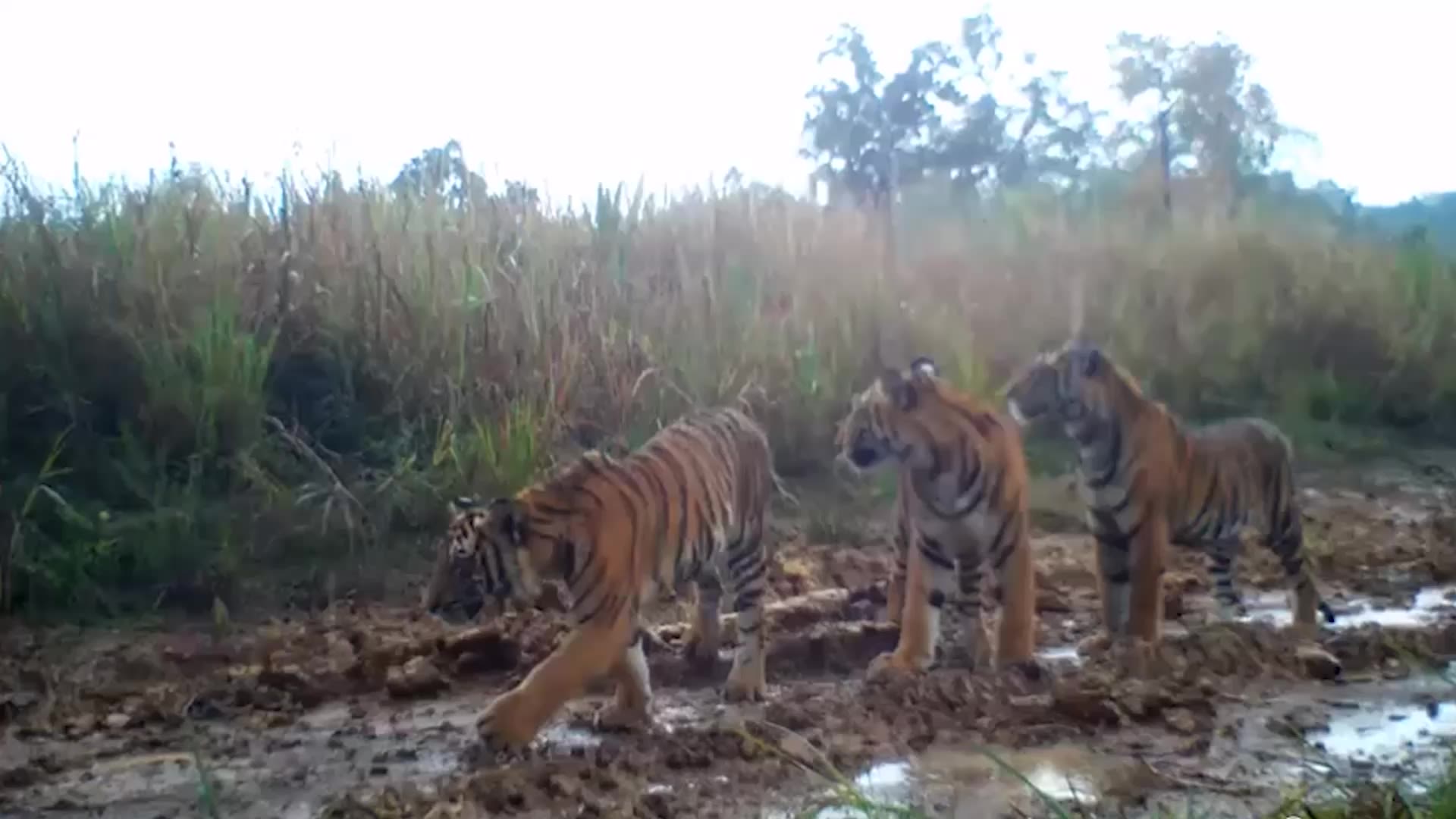
In November 2025, something extraordinary happened in northeast China. For the first time ever, an Amur tigress was filmed by camera traps with five cubs in China. Wild Amur tigers typically give birth to one to four cubs, making five cubs an exceptionally rare occurrence even in regions with abundant prey.
“The first footage of ‘six wild tigers in one frame’ recorded in China reflects that China’s conservation actions have been effective; it also showcases China’s contribution to global tiger conservation. Years of conservation efforts show that saving tigers is possible, in the current global acceleration of nature loss, ‘save the roar’ brings hope and strength for the restoration and conservation of other endangered species and their habitats,” explains Zhou Fei, Chief Program Officer of WWF-China.
Repopulating China’s tiger landscapes
The Northeast China Tiger and Leopard National Park, which is the world’s largest protected area with tigers, sits along the international border of China and Russia and is a vital corridor for Amur tiger dispersal. This landscape connectivity will be crucial for these cubs to move away from their mother once mature enough to establish their own territory. But where tigers roam, risks follow.
Human-wildlife conflict, poaching and habitat management remains a challenge. WWF-China is supporting the Northeast China Tiger and Leopard National Park and local communities to:
- Remove snares and prevent poaching
- Implement SMART patrol systems
- Develop human-wildlife conflict management strategies
- Strengthen community participation in co-management
- Increase tiger prey populations
Protecting people
China’s tiger population has increased from only 20 in 2010, to around 70 in 2025. Because of this, many community members living in northeast China today have not lived in close proximity to tigers in their lifetime – an issue further compounded by a gap in inter-generational knowledge and experience sharing due to the prolonged absence of tigers. In response to this, WWF-China has been supporting the government with human-tiger coexistence strategies, known as the Conflict to Coexistence Approach, in anticipation for an increase in tiger population in the region.
Part of this approach included installing five real-time alert cameras surrounding connecting roads that lead to villages in the buffer zone of the Northeast China Tiger and Leopard National Park, close to where the Amur tigress and cubs were recorded. When a tiger passes by, the system sends an instant notification to rangers’ mobile devices. Rangers then share early warnings via village committees and WeChat groups, helping residents avoid risk. These cameras are having a significant reduction in human-wildlife conflict and have so far delivered 98 alert messages.
Protecting tigers
Alongside people, tigers also need to be kept safe. An increase in tiger populations can bring the risk of poachers, looking to illegally poach and sell tiger parts and products. In anticipation of this, WWF-China has been supporting its government partners by establishing three community patrol teams in this area. In 2025 they:
- Conducted 624 patrols
- Covered 11,112 km (equivalent to 265 marathons!)
- Logged 12,323 patrol hours
- Removed 123 snares
- Recorded 1,230 traces of wildlife
A Future Full of Hope
Each cub is a living testament to impact of years of conservation efforts. WWF-China will continue to work closely with the government and community partners to strengthen conservation measures, improve habitat connectivity and ensure that tiger recovery remains a national and global success story.
HABITAT MONITORING

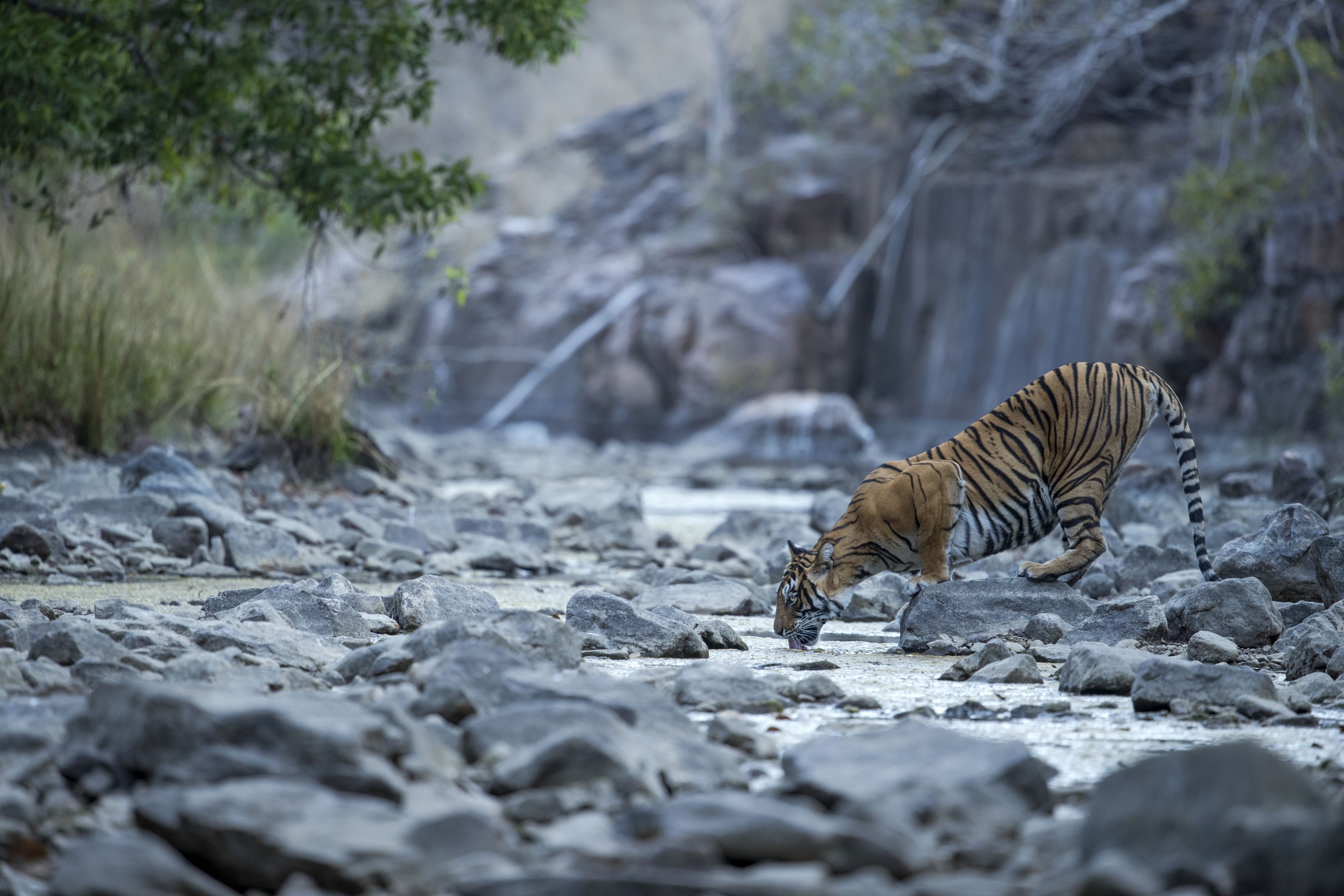
Restore forests for tigers in Northeast China
In 2025, WWF-China partnered with Huangnihe National Nature Reserve to implement a tiger-friendly forest management programme in Jilin’s Huangnihe Nature Reserve, demonstrating that moderate thinning of larch plantations can significantly enhance habitat quality for Amur tigers and their prey. By reducing the canopy cover by 35%, herbaceous ground cover doubled to 45% and shrub density tripled—creating richer food resources and structural diversity.
Wildlife responded swiftly, roe deer density increased, feeding activity quadrupled and detections of co-predators and tiger prey, such as leopard cat and wild pig surged. Brown and black bears returned while soil microbial diversity improved, signalling healthier nutrient cycling. These results confirm that selective logging at 20–40% intensity in this landscape can boost habitat diversity, biodiversity and connectivity, providing a scalable model for sustainable forestry and strengthening China’s Amur tiger carrying capacity.
Habitat Enrichment supporting ungulate restoration in Royal Belum
WWF-Malaysia and the Perak State Parks Corporation are implementing habitat enrichment and prey augmentation efforts in Royal Belum State Park. To date, four sites have been established to improve grazing and foraging conditions for key ungulate species, supporting tiger recovery. Early monitoring shows that seladang (Malayan gaur) and sambar deer are already using these sites, with camera traps also detecting tiger presence in surrounding areas. This work represents an important step in addressing prey limitations to tiger population recovery and there are plans to expand grazing areas further to further increase prey populations.

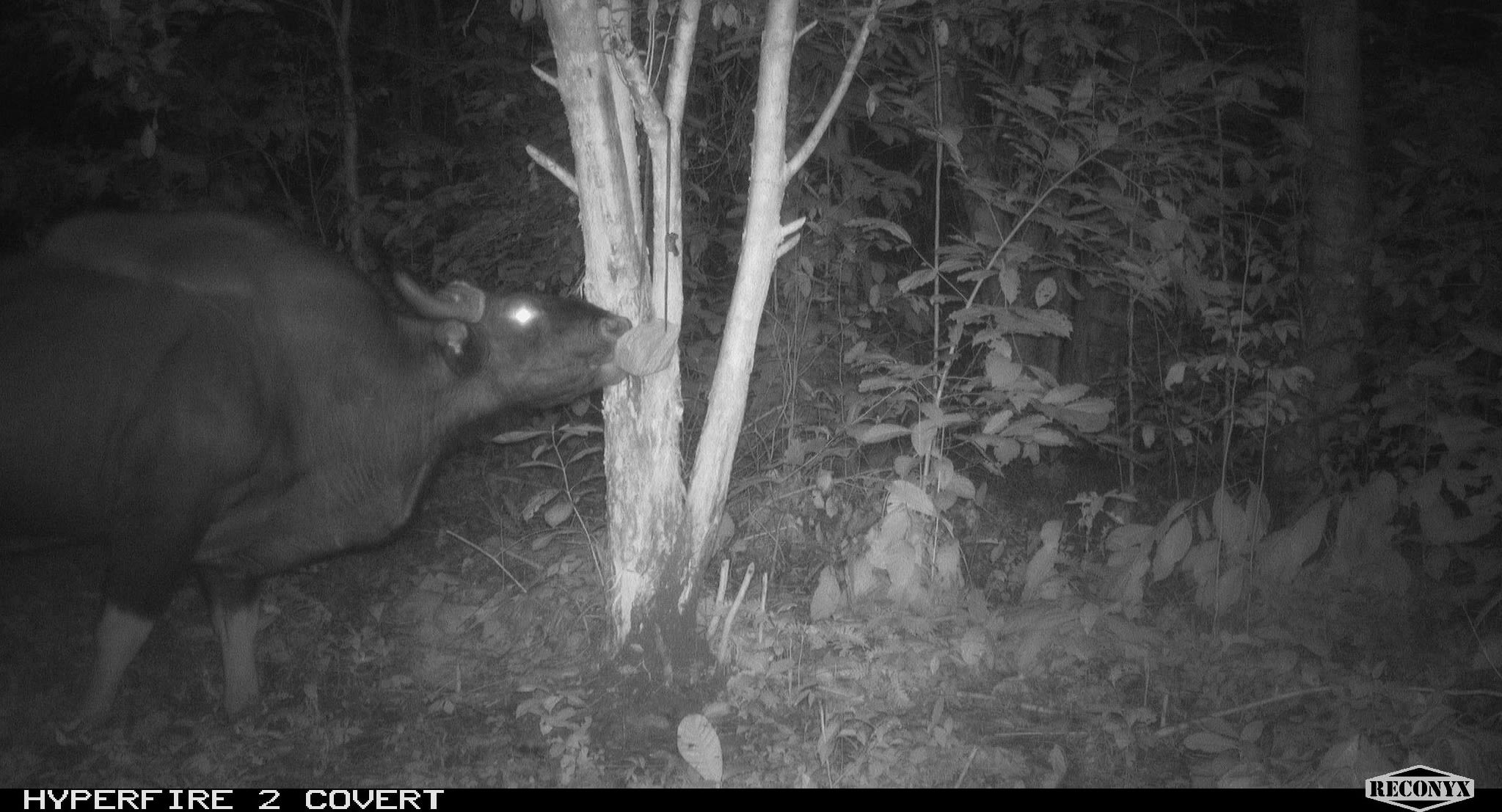
A seladang (Malayan gaur) using a mineral block at a habitat enrichment site. © Azlan Mohamed_WWF-Malaysia
A seladang (Malayan gaur) using a mineral block at a habitat enrichment site. © Azlan Mohamed_WWF-Malaysia
advancing connectivity conservation in India
WWF-India played a pivotal role in establishing the Coalition for Wildlife Corridors—a multi-NGO alliance that now includes 17 member organisations across India. The coalition’s mission is to advance evidence-based connectivity conservation by harnessing collective expertise and building consensus on critical issues. Over the past five years, it has delivered significant impact through visually compelling ‘Corridor Profiles’, convened regional multi-stakeholder workshops to shape strategic connectivity plans and evaluated corridor conservation initiatives.
In 2025, alongside these ongoing efforts, coalition members collaborated closely with government partners to delineate corridors across vast landscapes in central India—home to nearly 30% of the country’s tiger population. After five years of hosting the coalition secretariat, WWF-India transitioned this role to WCS-India, with plans for periodic rotation among member organisations. WWF-India remains an active contributor and sits on the coalition’s steering committee, reinforcing its commitment to securing India’s wildlife corridors for the long-term.
UNGULATE MONITORING

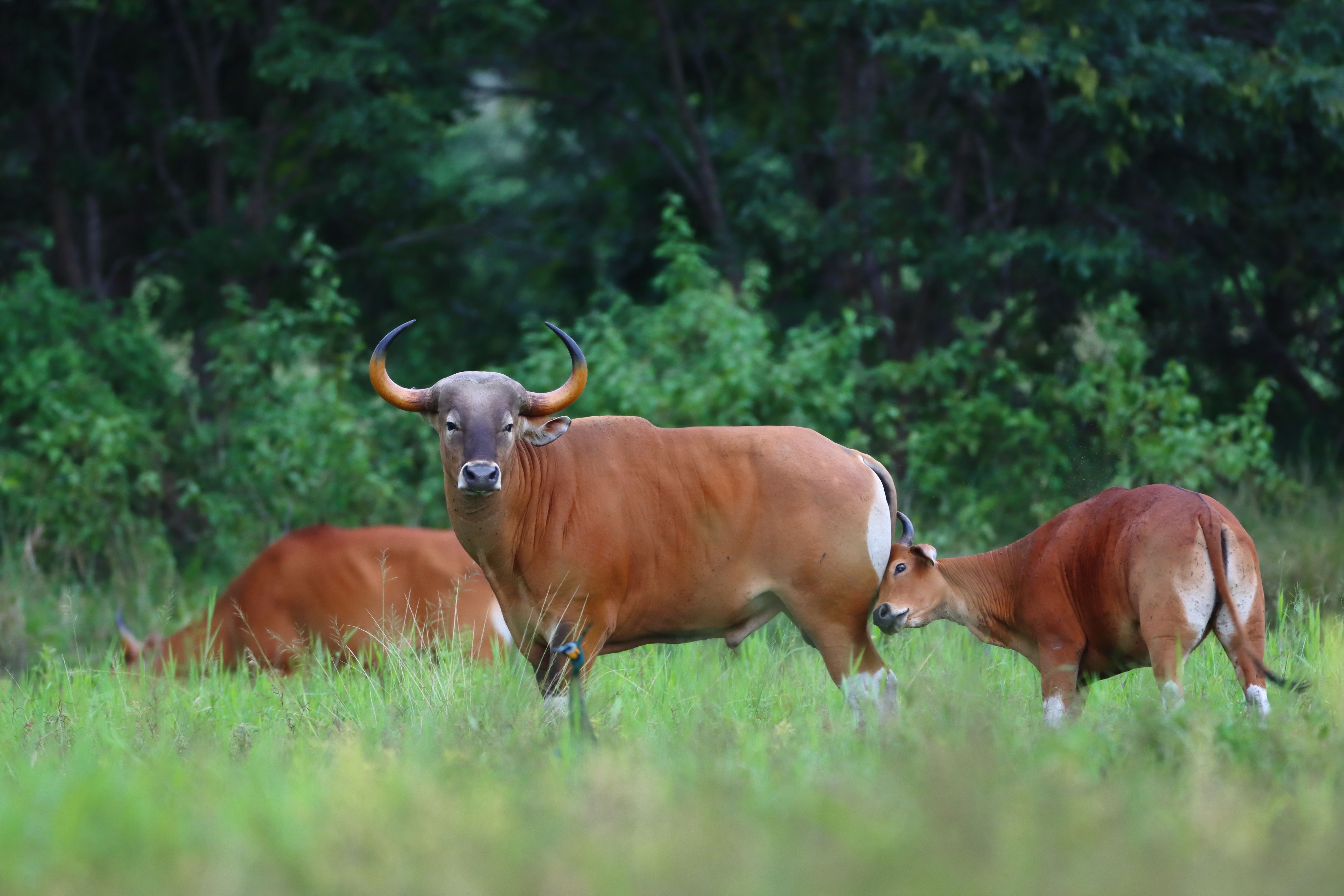
Restoring prey and monitoring tigers in Thailand
One of WWF’s core pillars for tiger conservation is long-term monitoring to understand what drives population change. In Thailand’s Mae Wong–Khlong Lan, the Department of National Parks, with support from WWF-Thailand, have tracked tiger populations since 2012 making this one of Southeast Asia’s most comprehensive studies. This year the tiger team at WWF-Thailand published in Ecological Applications findings that reveal a stable population of 9–11 adult tigers over 11 years, supported by high female survival rates (>82%) and dispersal from Huai Kha Khaeng, the region’s largest source site. Although conservation efforts have prevented decline, recovery remains slow.
The challenge lies in reproduction. Despite breeding activity, reproductive success is low with rates far below those in India and Nepal. The culprit is prey scarcity, not poaching. Large ungulates like sambar and gaur are rare, forcing tigers to rely on smaller prey that cannot sustain the energy demands of raising cubs.
This research underscores the urgent need for habitat improvement and prey restoration. Efforts from the Department of National Parks began in 2021 with support from WWF-Thailand and have been scaled up in 2025. In June, Thailand’s Department of National Parks, supported by WWF-Thailand, completed the fifth reintroduction of 20 sambar deer in Mae Wong and Khlong Lan National Parks, bringing the total released at those sites to 135 individuals. In May, recovery efforts were expanded to Salakpra Wildlife Sanctuary in the Western Forest Complex, where 15 sambar deer were released. Over five years, 150 sambar deer have been released across all sites. GPS and camera trap monitoring confirm several female Sambar have successfully given birth in the wild, an encouraging sign of adaptation. With nine breeding centres and new partners, including the Zoo Organisation and Department of Livestock Development, and a growing breed stock of 320 animals, we anticipate that releases will expand in the coming years. These combined efforts, monitoring tigers and restoring prey, are essential to unlock the next phase of tiger recovery in Mae Wong-Khlong Lan.

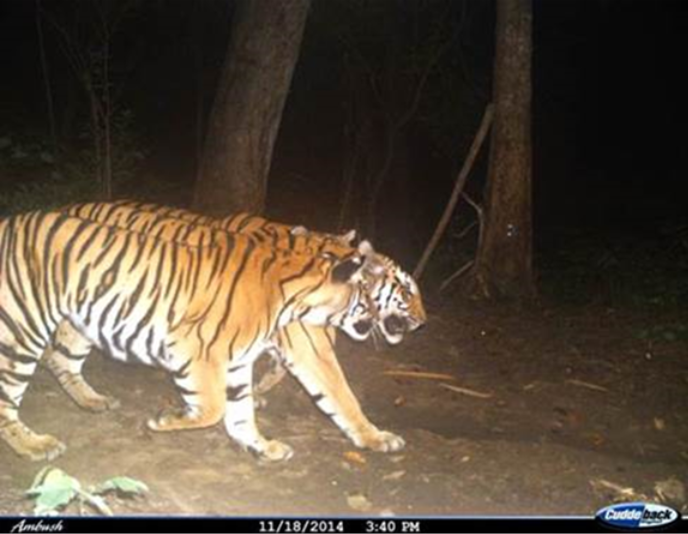
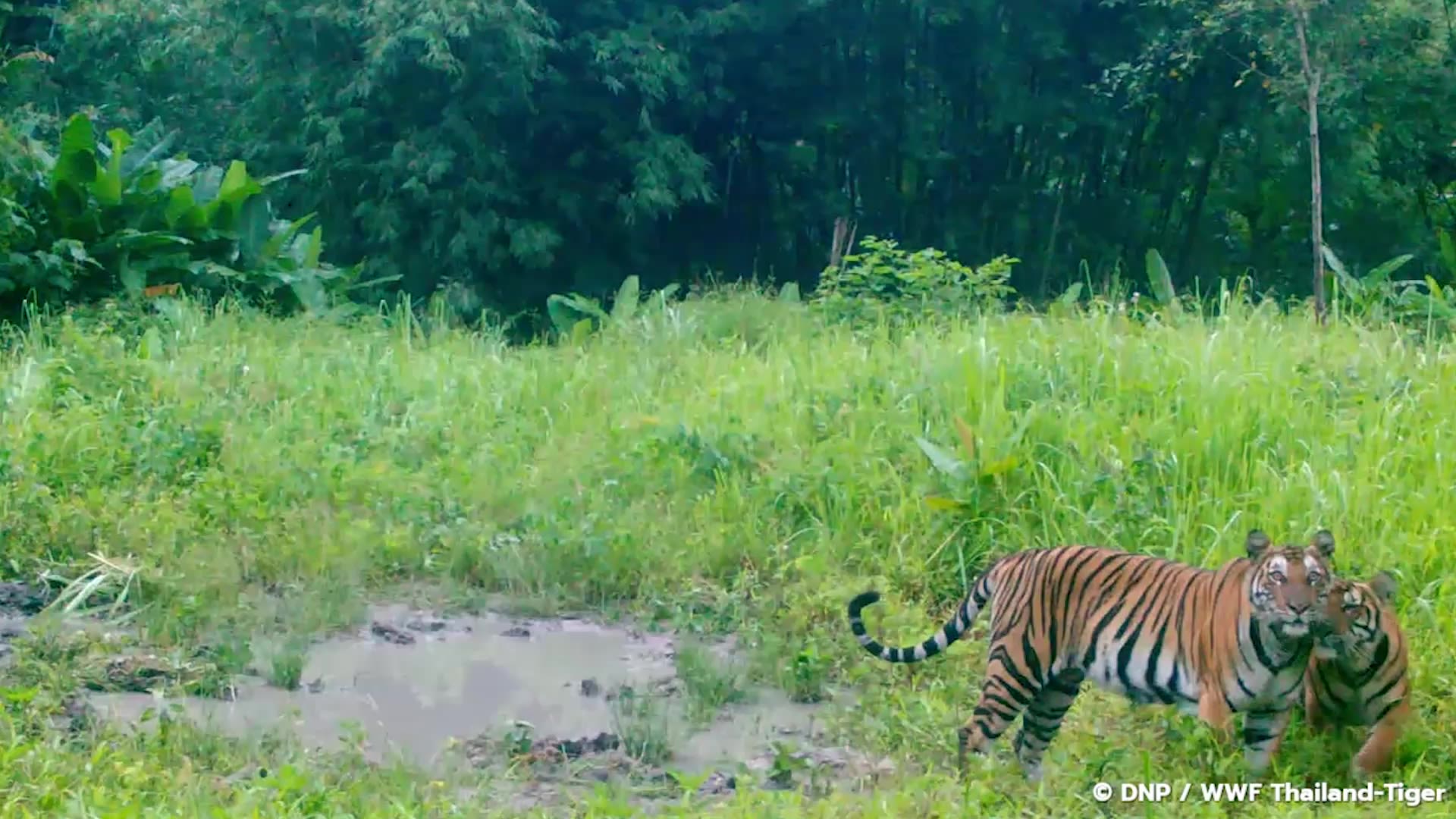
Resident female “F1” walking with her two cubs in Mae Wong–Khlong Lan. Over a decade of monitoring revealed her remarkable survival,10 years in the same territory, but only one cub reached adulthood. Her story reflects the stability of this low-density population and the challenge of prey scarcity for tiger recovery. © DNP / WWF-Thailand
Resident female “F1” walking with her two cubs in Mae Wong–Khlong Lan. Over a decade of monitoring revealed her remarkable survival,10 years in the same territory, but only one cub reached adulthood. Her story reflects the stability of this low-density population and the challenge of prey scarcity for tiger recovery. © DNP / WWF-Thailand
Ungulate workshop in Malaysia
Representatives from the Tiger Conservation Coalition, Malaysian government and non-government partners and stakeholders met in June for a Tiger Prey Recovery Workshop, held in Selangor, Malaysia. During the event the participants addressed:
- The current status of prey populations across tiger landscapes
- Innovations in tiger prey recovery
- Effective monitoring strategies to track conservation impact
- Creative ways to communicate success with partners and communities
- Scalable strategies to stimulate prey recovery across Asia
Together, we are laying the groundwork for scalable, science-driven solutions. The path to tiger and ungulate recovery is long but with shared vision and action, it’s possible.
CA|TS

2025 marked a milestone for Conservation Assured Tiger Standards (CA|TS): on April 1, the International Big Cat Alliance (IBCA) officially became the secretariat and host for CA|TS, following a key recommendation from the CA|TS 10-Year Review. This transition was formalised through an agreement between WWF-India and IBCA, with the CA|TS Regional Coordinator partially seconded to IBCA.
The shift was highlighted at the 1st Assembly of IBCA, attended by the Honourable Minister for Environment, Forest & Climate Change, Government of India in New Delhi on June 16, where CA|TS was presented as a core program of IBCA. WWF-India's secondment support was also formally acknowledged.
An updated version of the CA|TS manual was launched at the IUCN World Conservation Congress in Abu Dhabi, UAE in October 2025. The new version 3.0 has new targets aligned with Global Biodiversity Framework 30x30 target, a revised governance mechanism, additions and changes to standards and criteria that better align with contemporary challenges, ensuring CA|TS remains a robust, globally relevant standard for tiger site management and informs development and institutionalisation of standards for other big cats and flagship species.
During the launch event at the World Conservation Congress, Mr. Soumitra Dasgupta, Director Program, IBCA, mentioned that IBCA aims to promote CA|TS including developing standards for other six big cats following the CA|TS model.
CA|TS in Tiger Range Countries
CA|TS Approved sites globally: 34
BHUTAN: Two further sites, Jigme Dorji National Park and Zhemgang Forest Division, have been awarded CA|TS Approved status bringing the total in Bhutan to four. The accreditation of Zhemgang Forest Division is groundbreaking as it is the first site outside Bhutan’s protected area system to receive CA|TS recognition, demonstrating Bhutan’s commitment to safeguarding tigers across the wider landscape, not only within national parks. Zhemgang, home to 14 tigers, has extensive forest cover and high biodiversity that make it a vital connectivity zone for tiger movement and survival.
INDIA: India is prioritising the completion of CA|TS assessments for key pending and newly identified sites, including Tiger Reserves. The National Tiger Conservation Authority, Ministry of Environment, Forest and Climate Change (Government of India) are partnering with IBCA and WWF-India during this process.
MALAYSIA: Malaysia is registering new sites under CA|TS including Production Forests. This is a new avenue for CA|TS and one that will come with its opportunities and challenges, and like Bhutan reiterates the significance of areas outside traditional protected areas for tiger conservation. Malaysia has one site officially approved (Royal Belum State Park), further contributing to regional conservation standards.
NEPAL: Nepal has completed the independent review assessment of four sites that are now moving towards CA|TS approval. After endorsement by the Nepal CA|TS National Committee these sites can be submitted to the International Executive Committee for review.
LOOKING FORWARD
The future of wild tigers depends on secure, connected habitats—and 2026 will see major strides in safeguarding and restoring these critical landscapes. From strengthening transboundary corridors to deploying cutting-edge tools for habitat monitoring, our focus is on creating resilient ecosystems where tigers and their prey can thrive. These efforts are not only about protecting existing strongholds but also about reconnecting fragmented habitats, ensuring genetic diversity and building the foundations for long-term recovery.
Work is scaling up across the Hala-Bala-Belum landscape, one of Southeast Asia’s most critical tiger habitats, through enhanced collaboration between WWF-Thailand, WWF-Malaysia, and Tigers Alive. Tigers Alive is also partnering with WWF-India to roll out advanced AI systems for camera-trap analysis, revolutionising data management and accelerating insights into tiger and prey trends.
During the year further progress is expected on expanding the CA|TS International Executive Committee, including identification of new members. Additionally, updated versions of the CA|TS manual and the development of new sustainable funding mechanisms and business plans will be in the works.
In Malaysia’s Belum landscape, tiger population analysis will inform the Perak Tiger Recovery Plan, addressing impacts from Operation Stampede and African Swine Fever. Meanwhile in Sumatra, peer-reviewed studies from the 30 Hills Conservation Concession will provide new insights into prey dynamics and tiger population trends.
Together, these initiatives reflect a bold vision for secure, connected habitats that will underpin the long-term recovery of wild tigers. By combining science, innovation and collaboration, Tigers Alive and its partners are laying the groundwork for a future where tiger populations thrive.










 Built with Shorthand