

TOWARDS COEXISTENCE
Building a future where tigers thrive alongside people depends on trust, collaboration and shared benefits. Across Asia’s tiger landscapes, Indigenous Peoples and local communities are not just stakeholders they are stewards of the land and vital partners in conservation. This year, the Tiger Conservation Coalition took an important step forward, with WWF Tigers Alive helping convene experts from member organisations to strengthen engagement with Indigenous and local communities. The group identified shared priorities and opportunities for joint action, laying the foundation for initiatives that advance both conservation goals and community well-being. These efforts reflect a growing commitment to inclusive approaches that foster coexistence and ensure long-term sustainability for tigers and the people who live alongside them.
CONFLICT TO COEXISTENCE APPROACH


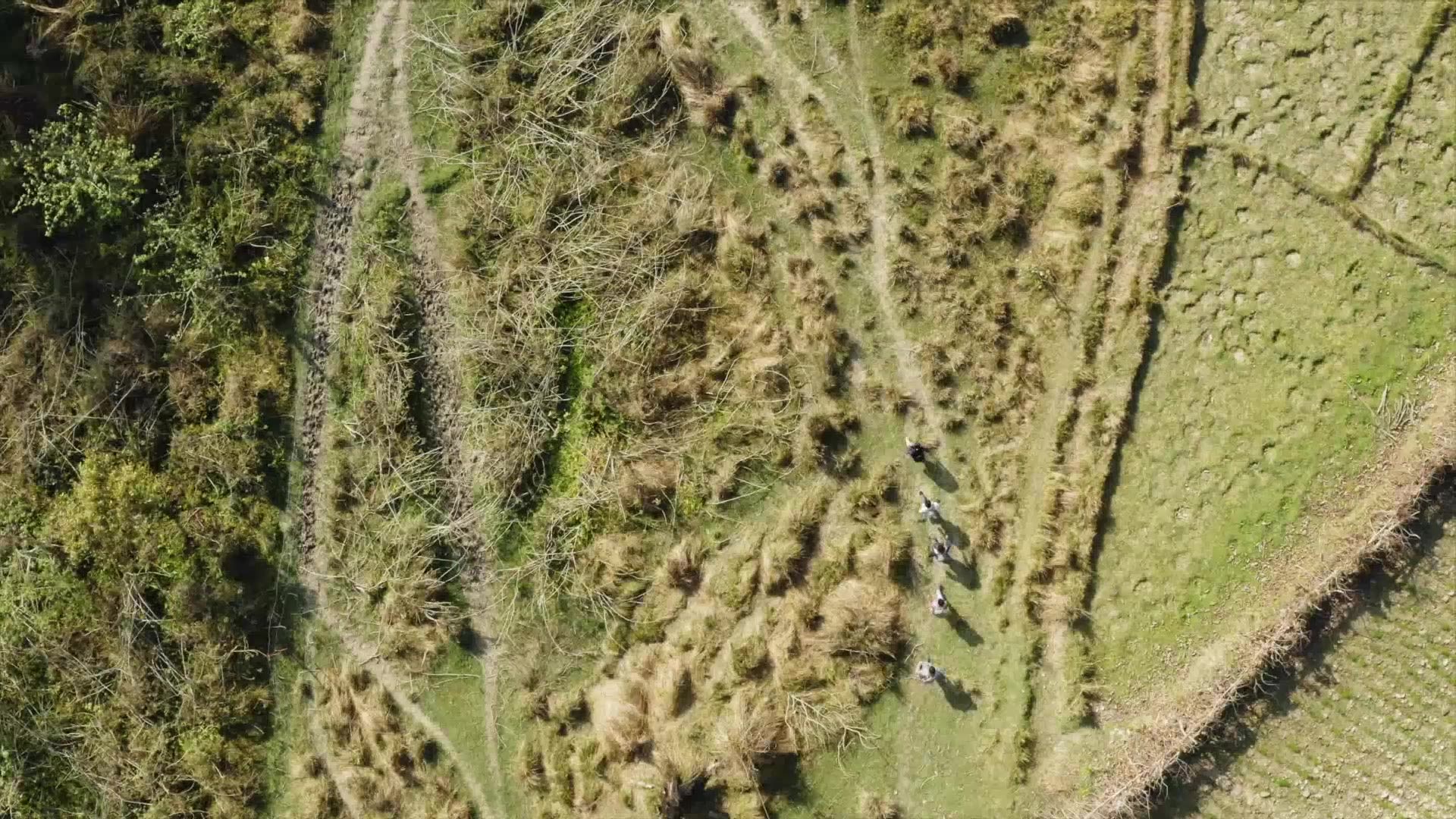
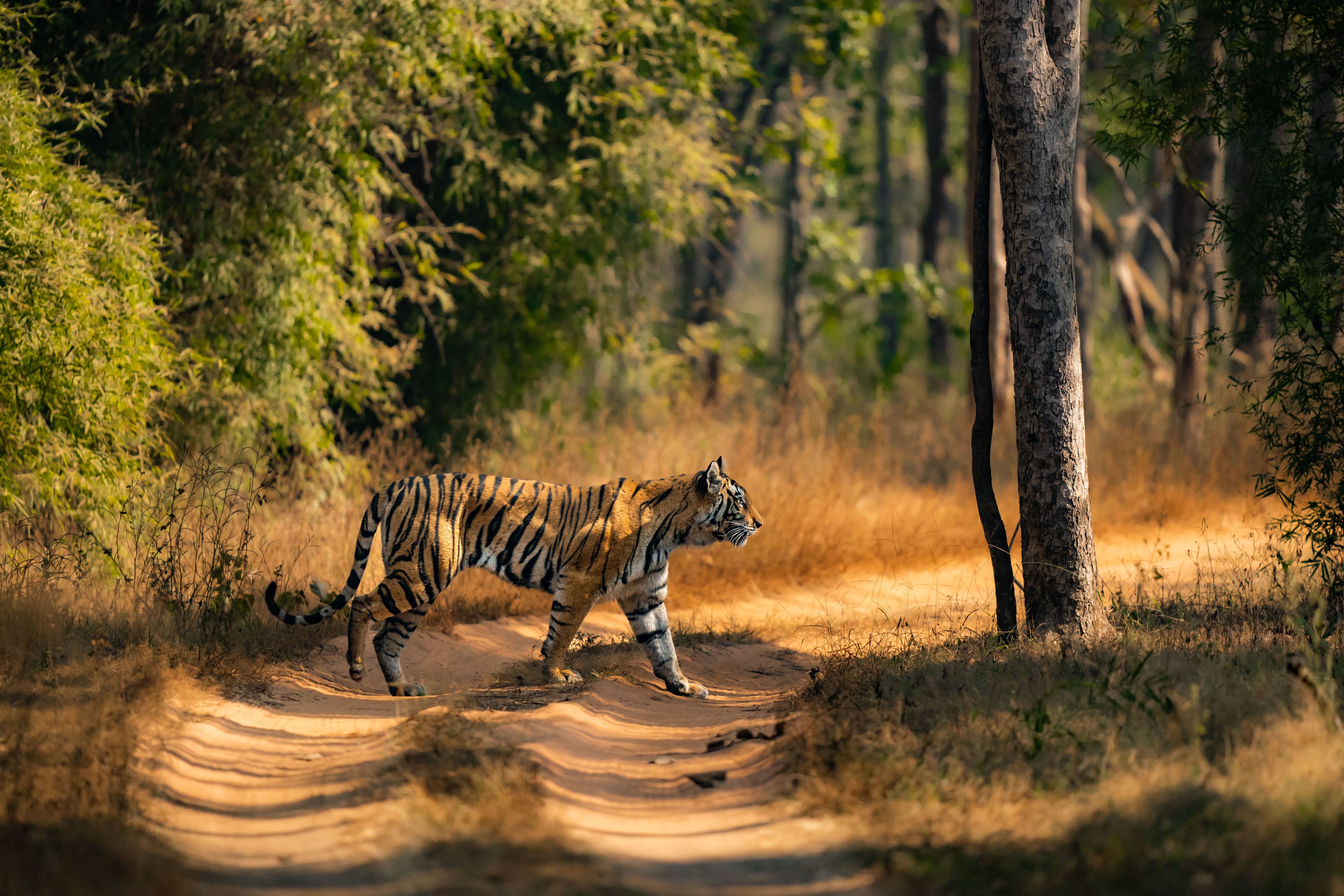
© Smriti Dahal / WWF
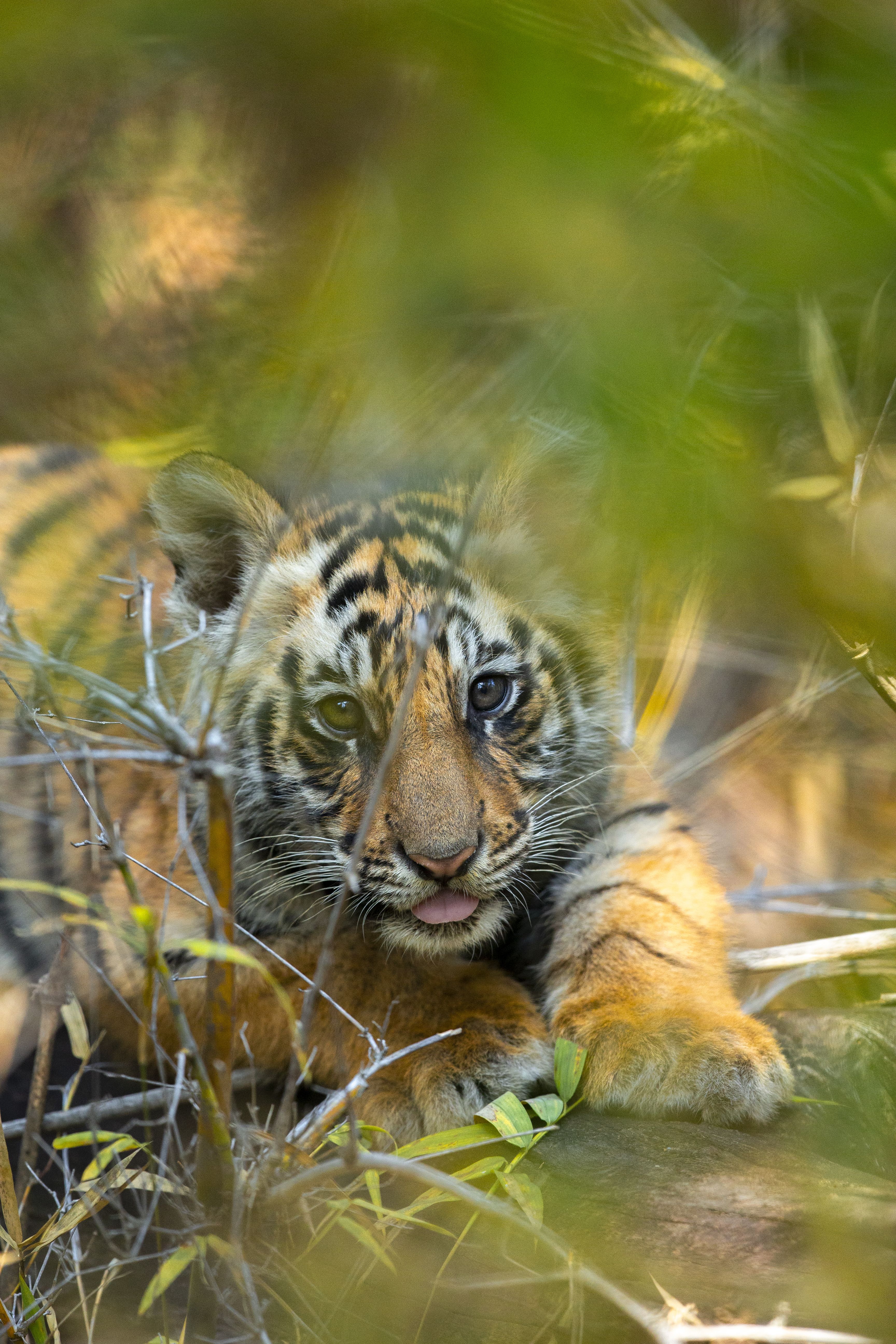
© Smriti Dahal / WWF
Training of Trainers
The C2C: Conflict to Coexistence Approach team developed a comprehensive step-by-step guide and with external experts published a paper which outlines the global relevance and impact of this strategy.
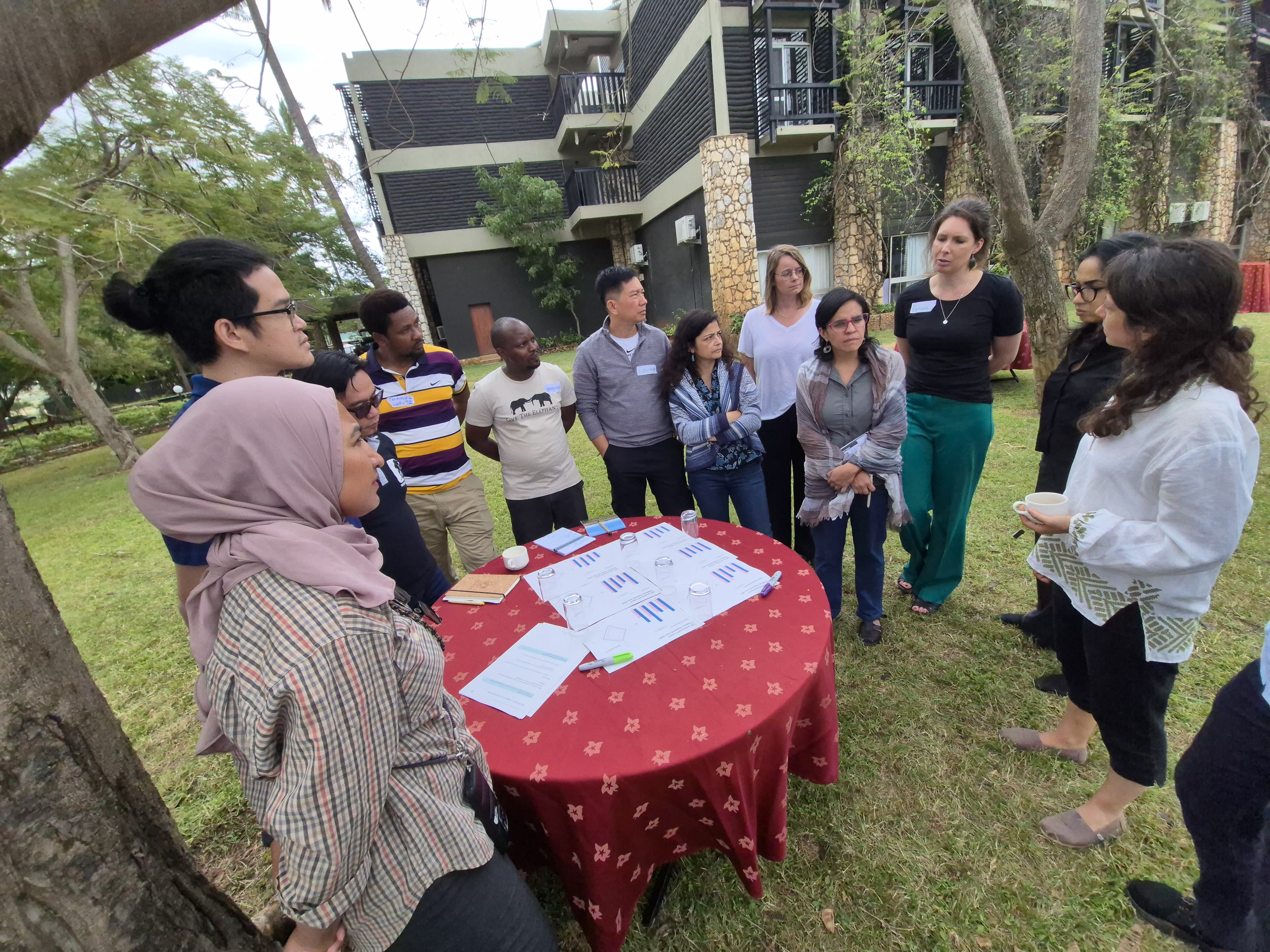
A training-of-trainers event with 20 participants, including Tigers Alive and representatives from seven tiger range countries, among other WWF offices, was held in June in Tsavo, Kenya to facilitate capacity building. The training built participant capacity to facilitate the C2C Approach, manage complex situations and to design and train teams. This in-depth and hands-on training took participants through the various aspects of developing a holistic and integrated conflict to coexistence approach, involving all the relevant stakeholders, and using the range of C2C tools available. Back in their offices, the trainers will now train their teams and others in the region on the approach for further roll-out and scaling.
C2C IN TIGER LANDSCAPES

© Liu Duo
© Liu Duo
China
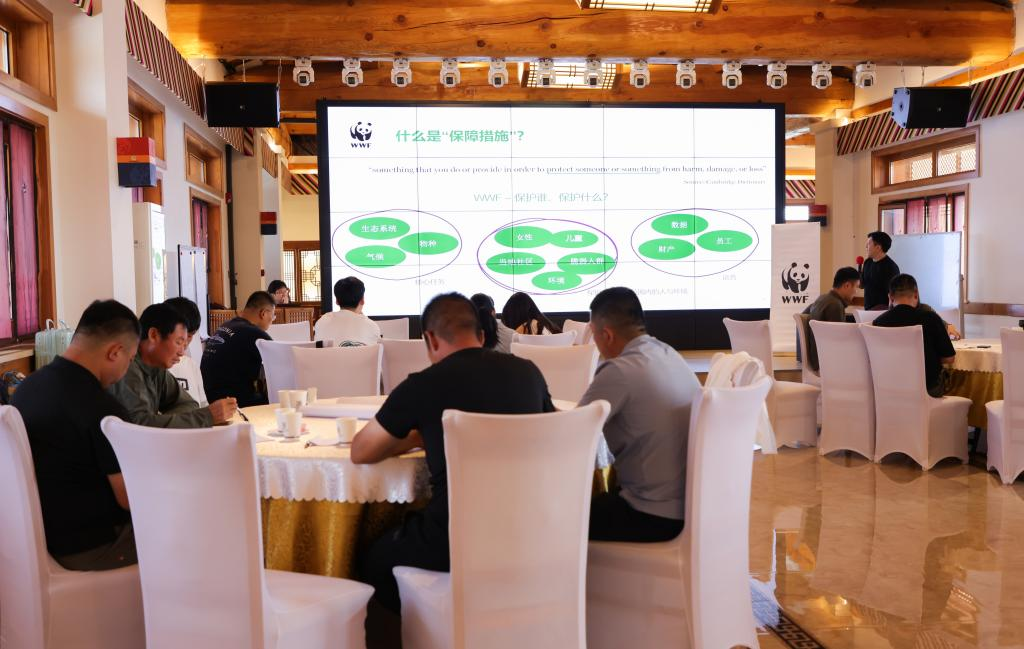
In China, building on the C2C approach, WWF partnered with Jilin University to evaluate and optimise human-wildlife conflict (HWC) emergency management systems in Hunchun. The project assessed the implementation of a 2022 emergency plan, produced evaluation reports and provincial-level policy recommendations and proposed improvements for institutionalizing and standardising HWC governance. WWF also advanced research on economic policy frameworks for conflict areas, integrating regional economic theory with ecological protection practices. These efforts aim to balance conservation and development, creating a replicable “Jilin Model” for reducing conflict and strengthening ecological security in Amur tiger habitats.

© Emmanuel Rondeau / WWF-US
© Emmanuel Rondeau / WWF-US
Malaysia
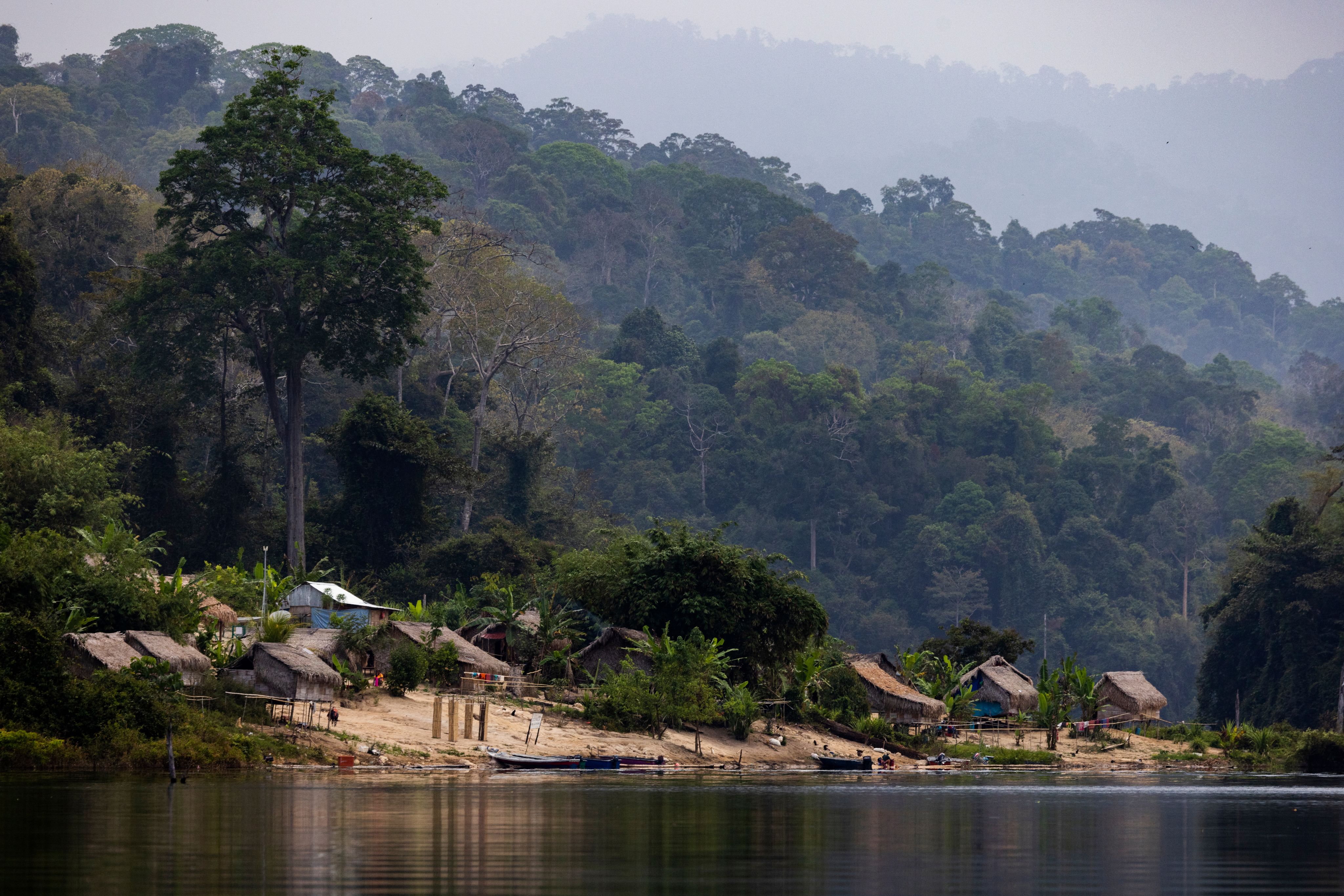
In 2025 C2C was rolled out in two communities in Peninsular Malaysia – Kampung Sungai Tiang in Royal Belum State Park and Kampung Sungai Chiong in Temengor Forest Complex. These were the same communities in which Social Landscape Mapping was piloted. During the mapping process, HWC, was one of the main concerns identified along with the need to further understand the conflict and implement both immediate and long-term management strategies at both sites. After completing the context screening, stakeholder analysis and assessment, a series of workshops were conducted to co-design, with right holders and other stakeholders, a HWC management strategy for the sites. WWF-Malaysia will start implementing these strategies from January 2026.
FEATURE STORY
Co-Designing Coexistence: Bhutan’s Community‑Led C2C Approach

© WWF-Bhutan
© WWF-Bhutan
In the forested hills of Trong Gewog (sub-district) in Central Bhutan, living alongside wildlife is an everyday reality that brings both opportunity and strain. As forests recover and wildlife populations (such as tigers and the ungulates they prey on) increase, the pressures faced by rural communities have also intensified. Human–wildlife conflict (HWC) remains a persistent challenge and one that cannot be resolved quickly or through single interventions, but instead requires patience, trust and long-term commitment.

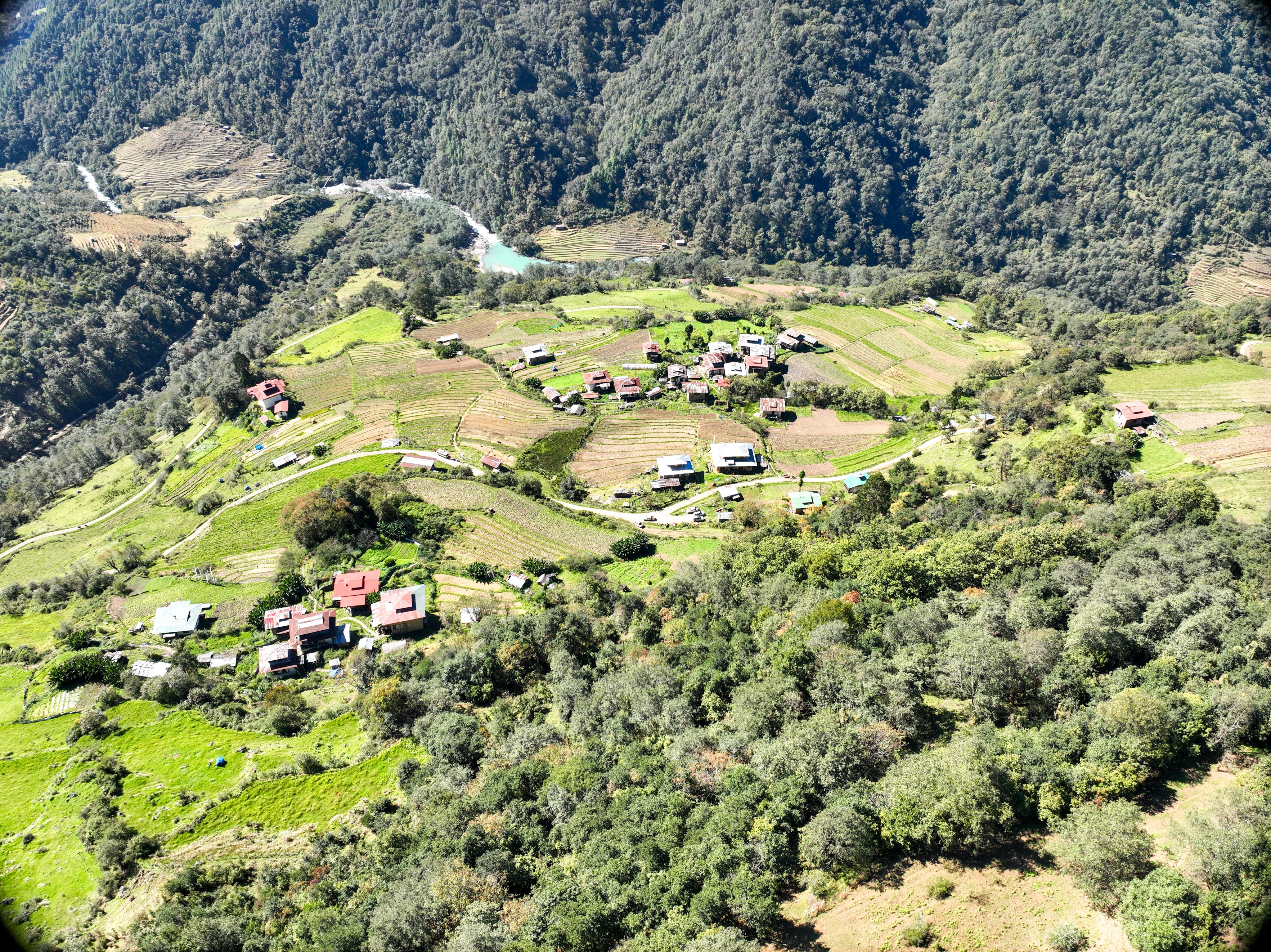
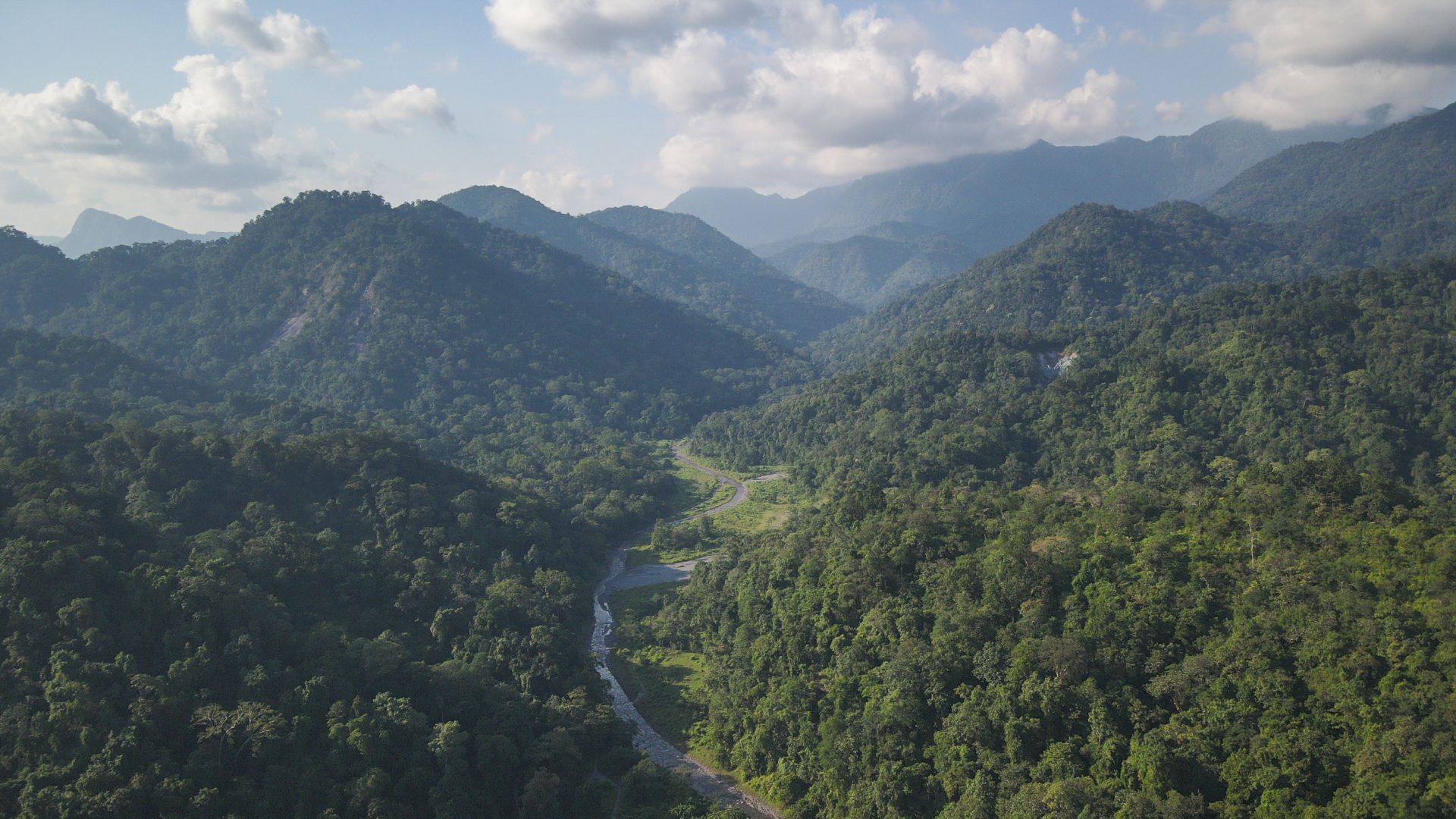
Spanning 358 km² and home to more than 3,300 people, Trong Gewog lies within a rich mosaic of protected areas supporting tigers and other threatened species. With over 90% forest cover, it is both a biodiversity stronghold and a place where the challenges of coexistence are deeply felt. © Bhutan DoFPS/WWF-US.
Spanning 358 km² and home to more than 3,300 people, Trong Gewog lies within a rich mosaic of protected areas supporting tigers and other threatened species. With over 90% forest cover, it is both a biodiversity stronghold and a place where the challenges of coexistence are deeply felt. © Bhutan DoFPS/WWF-US.
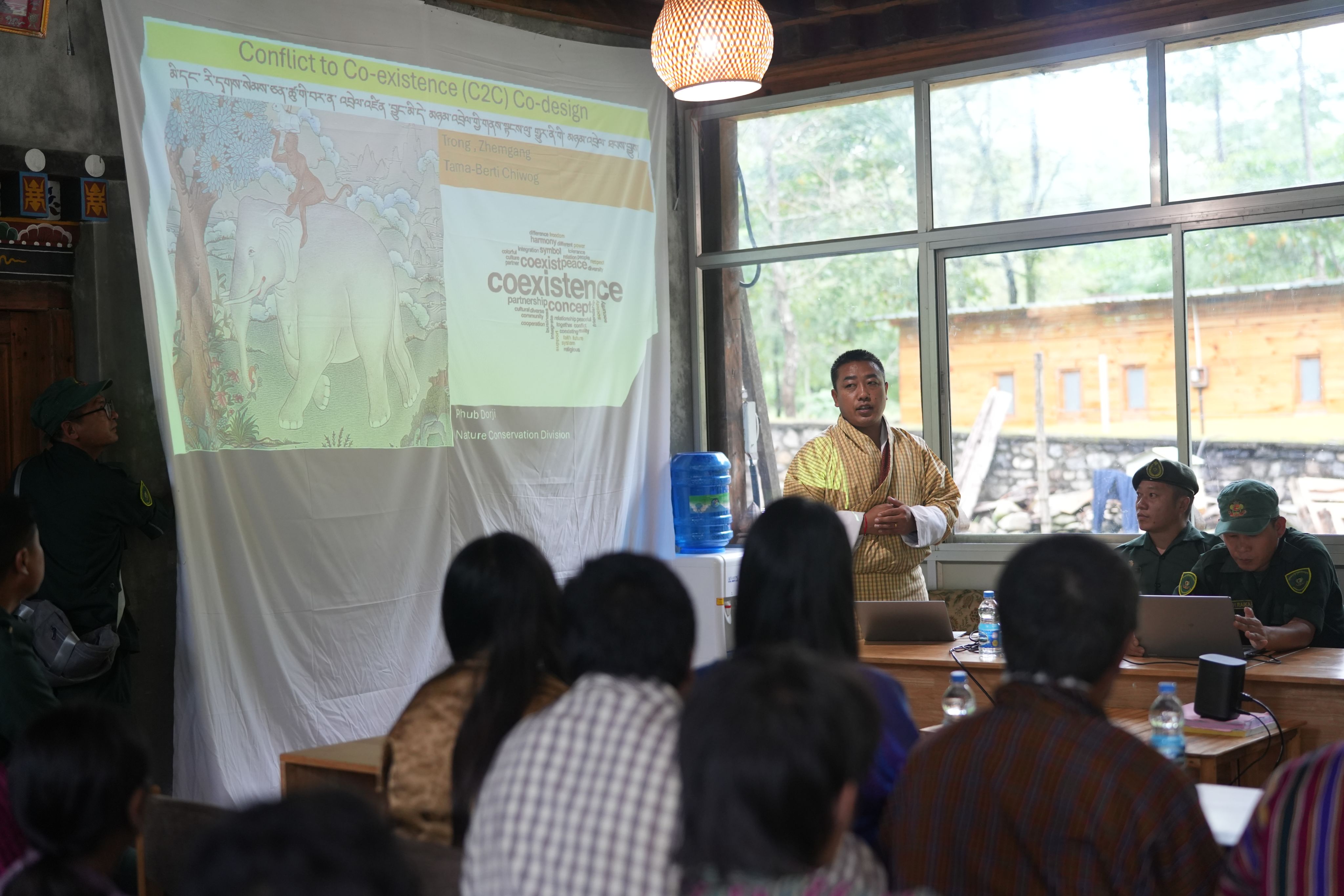
WWF‑Bhutan in partnership with the Bhutan Government’s Department of Forest and Park Services is implementing the C2C: Conflict to Coexistence (C2C) approach and with local communities has co-developed a holistic and integrated HWC management strategy for the district. Using an evidence based and inclusive process, this strategy consists of short-term actions coupled with long term interventions to reduce risk, build trust and lay the foundations for coexistence in a critical tiger landscape.
For Karma, a 57‑year‑old farmer from Zurphel village, recent changes have offered cautious hope. For years, repeated crop losses forced him to leave his fields fallow. The installation of 933 electric fencing posts across parts of the gewog has allowed him and several neighbours to resume cultivation. Cash crops such as mustard and buckwheat are now being grown again, with reduced losses from species including wild pig and sambar.
Across four villages, 4.67 kms of five‑strand electric fencing now protect 46.82 acres of farmland belonging to 21 households, many of whom rely on agriculture for core household income. Yet electric fencing is not a silver bullet. Villagers have formed a collective group and opened a joint bank account to support fencing upkeep, an important step in building local ownership rather than dependency. While progress is visible, communities and partners are clear that this is only the beginning of a longer journey.
As Karma points out, “Protection alone is not enough. Coexistence means keeping both crops and wildlife safe.”
That principle sits at the heart of C2C. Rather than relying on a single intervention, the approach integrates prevention, mitigation, livelihood support, habitat management, and monitoring recognising that conflict is shaped by water scarcity, livelihood insecurity, forest dependence, and shrinking wildlife habitats.

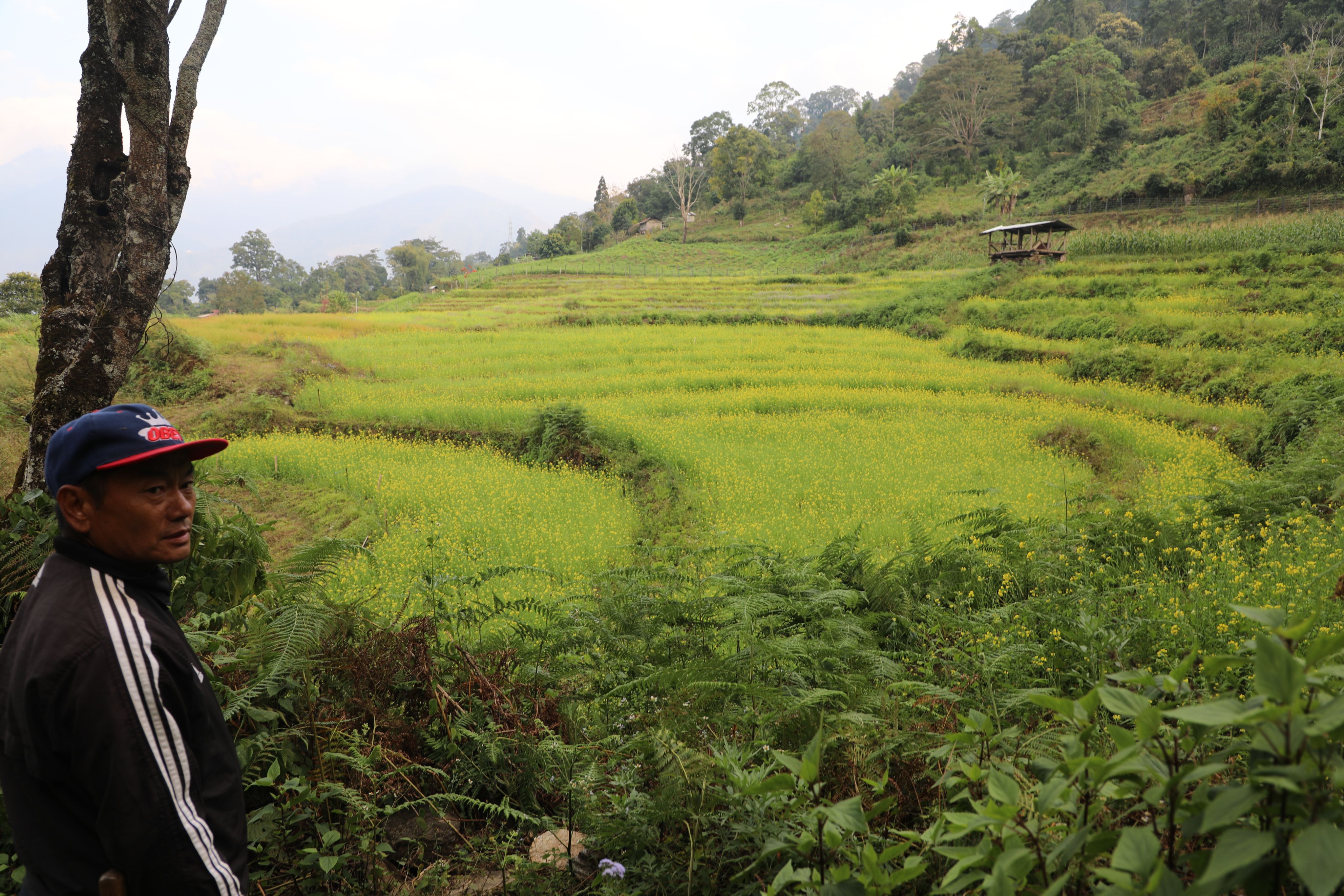
Karma in his fields in Trong Gewog. © Yangchen C Rinzin / WWF-Bhutan
Karma in his fields in Trong Gewog. © Yangchen C Rinzin / WWF-Bhutan
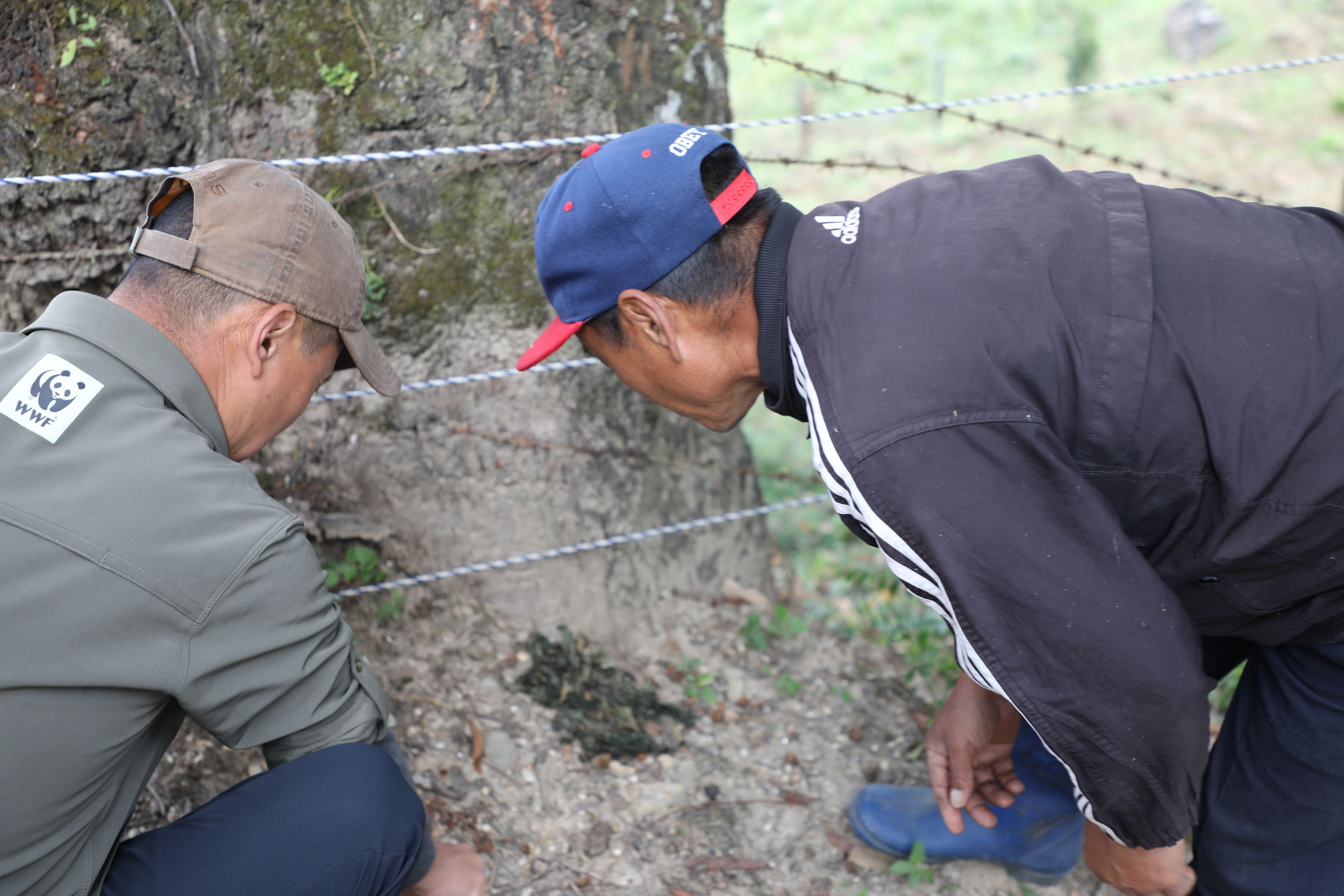
Karma inspecting his fence for his field with a WWF staff member. © Yangchen C Rinzin / WWF-Bhutan
Karma inspecting his fence for his field with a WWF staff member. © Yangchen C Rinzin / WWF-Bhutan

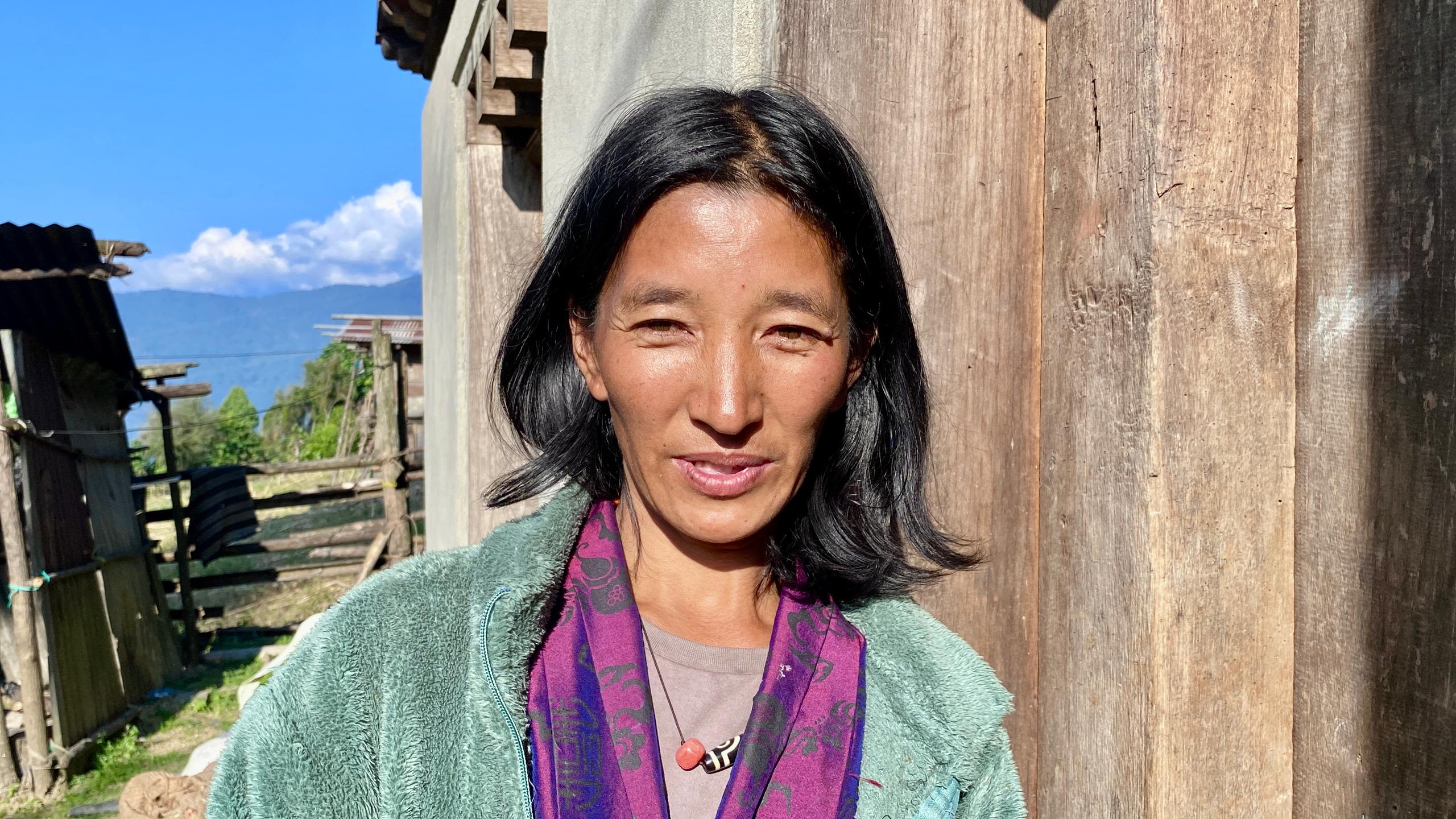
Farmer Chimmi Dema © Yangchen C Rinzin / WWF-Bhutan
Farmer Chimmi Dema © Yangchen C Rinzin / WWF-Bhutan
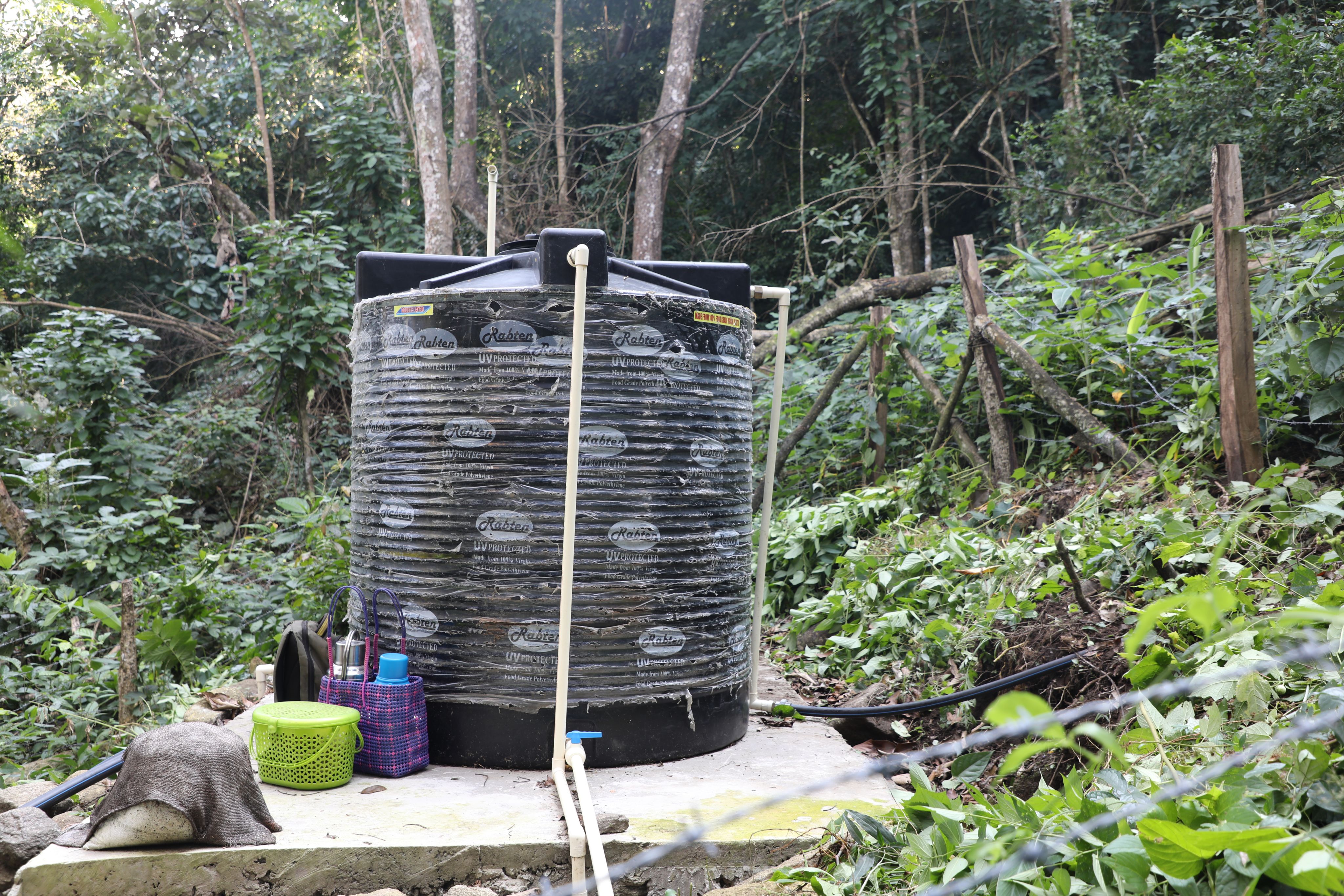
A watertank installed © Yangchen C Rinzin / WWF-Bhutan
A watertank installed © Yangchen C Rinzin / WWF-Bhutan
In Gomphu village of the same district this integrated approach is evident in something as basic and transformative as water. For Chimmi Dema and her neighbours, the installation of water tanks has ended decades of unsafe, exhausting walks to distant streams. Water now flows directly to homes, fields, and orchards, strengthening livelihoods while reducing risky encounters with wildlife. Nearby waterholes constructed as part of the C2C approach also provide separate, reliable access for wildlife, helping wildlife remain in forest areas rather than entering farmland.
Livelihood diversification is another pillar of coexistence. Poultry sheds, cardamom plantations, and improved orchard irrigation are reducing dependence on forest resources and increasing household incomes like Dolo Rinchen’s orange orchard, now expected to earn over Nu 500,000 (~5,500 USD). At the same time, the C2C approach supports wildlife conservation through habitat restoration and monitoring.
The duty bearer’s commitment and effort for HWC management and the community ownership underpins all these efforts. Government agencies, local authorities and NGOs are not only supporting physical interventions but are actively engaging in long-term risk reduction, coordination, and adaptive management alongside communities. Villagers jointly manage fencing maintenance through a shared fund, using recycled plastic posts that reduce environmental impact. This collective responsibility reflects a broader shift from reacting to conflict, to actively designing for coexistence.
C2C in Trong Gewog is not presented as a finished model, but as an evolving approach shaped by community experience, learning and adaptation.
Malaysia coexistence partner workshop
Greater community engagement in the Belum-Temengor Forest Complex which WWF is supporting is helping shift from reactive conflict response to more proactive, community-driven strategies. This marks a clear movement toward coexistence and shared stewardship of the landscape.

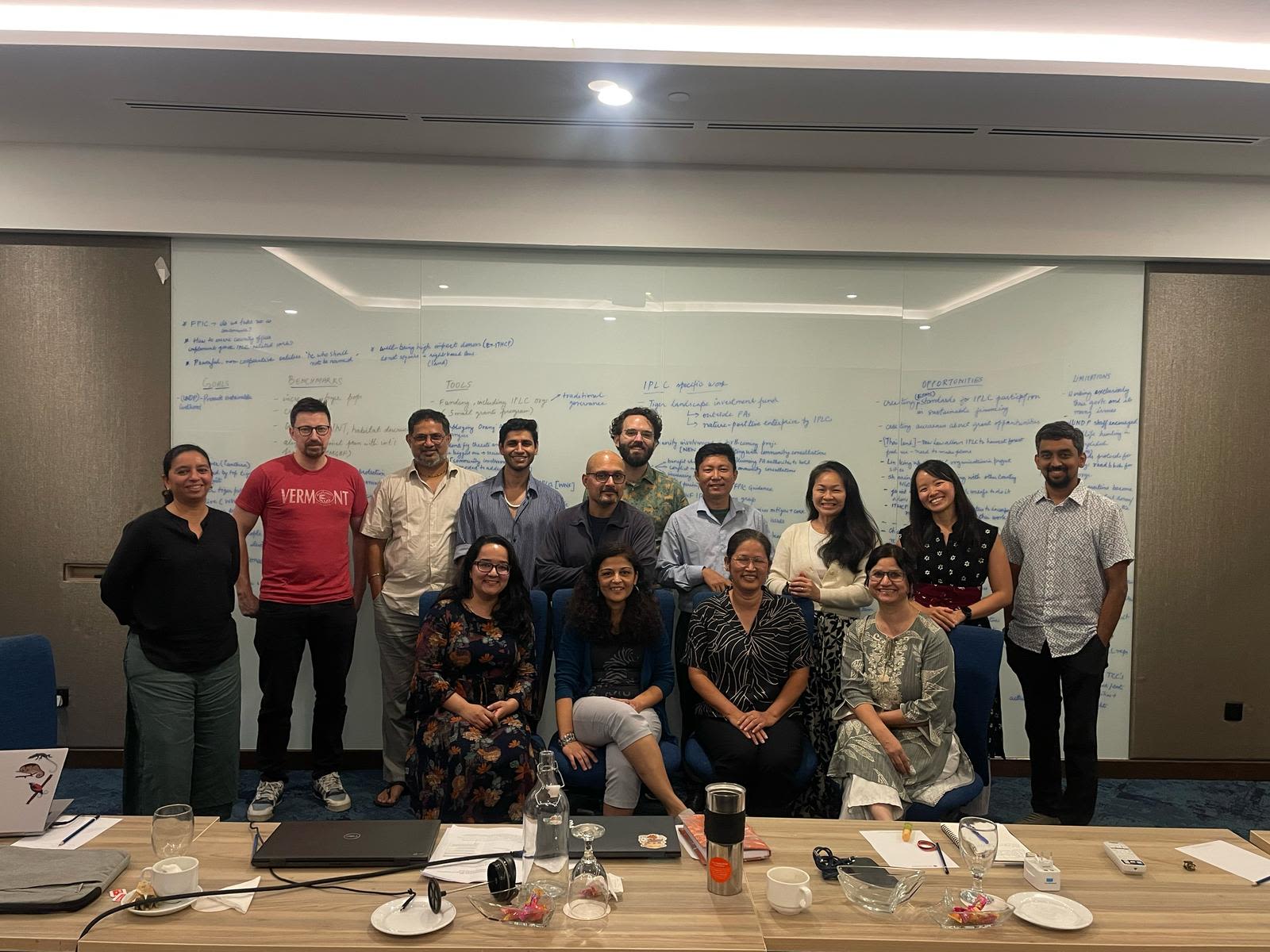
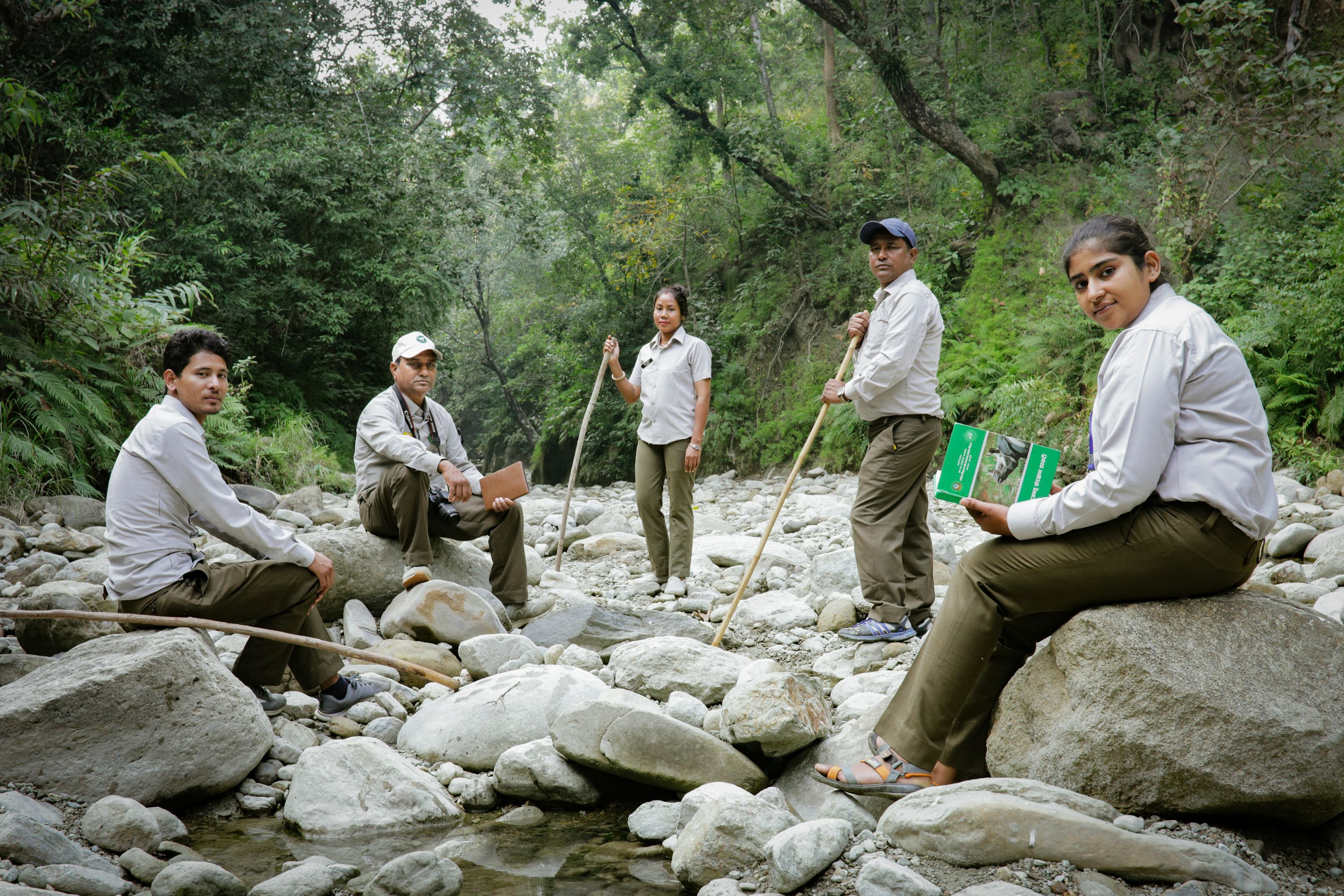
© Smriti Dahal / WWF
© Smriti Dahal / WWF
The Tiger Conservation Coalition members in Malaysia, hosted a workshop focused on human-tiger coexistence and strengthening partnerships with Indigenous Peoples and local communities. This gathering brought together a diverse group of experts - including conservation practitioners, anthropologists, government representatives from PERHILITAN, JAKOA and Perak State Parks Corporation, as well as academics and NGO professionals - who are actively engaged in safeguarding tigers in Malaysia and supporting communities that share space with this iconic species.
TOWARDS COEXISTENCE
IN TIGER LANDSCAPES

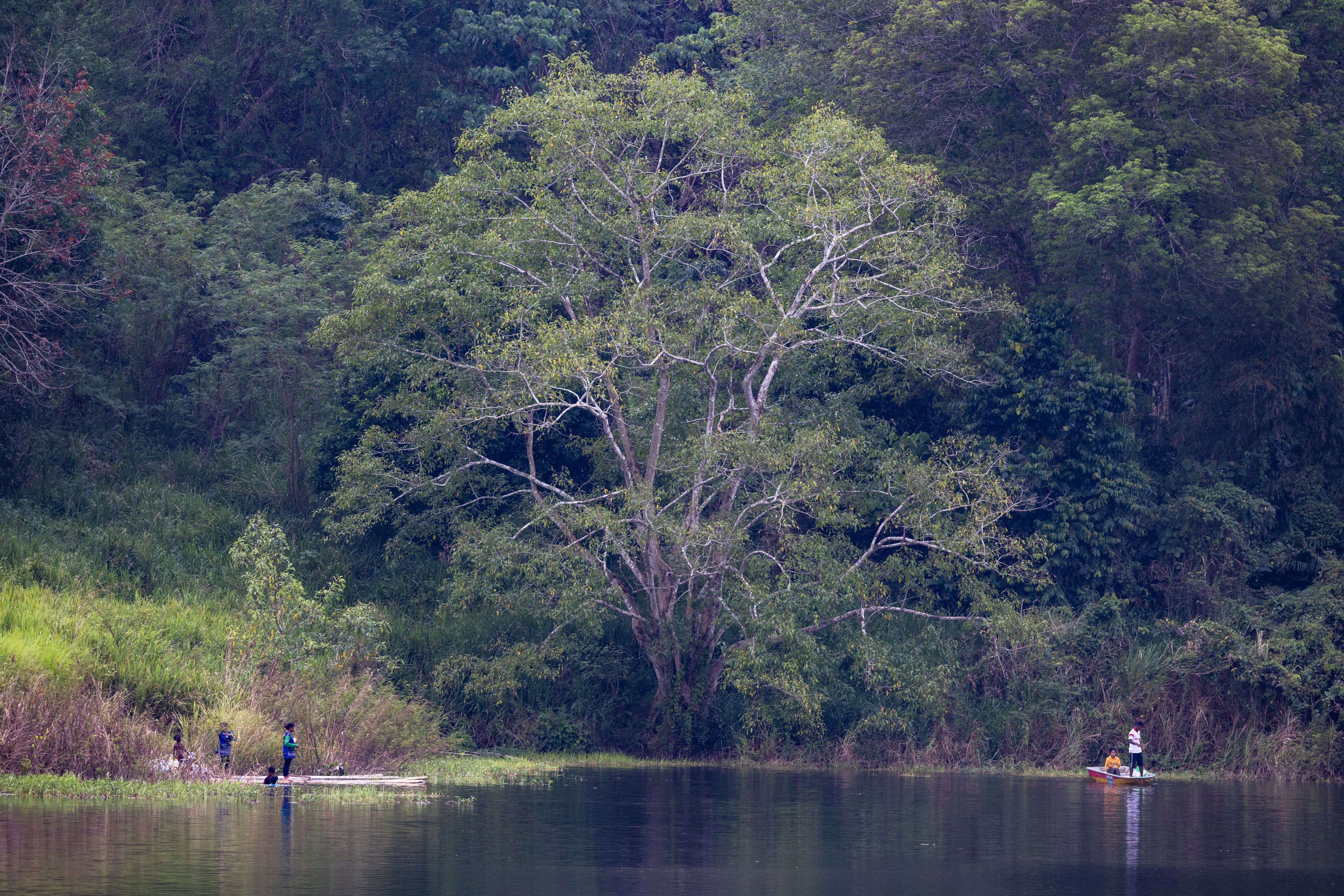
Supporting Farmers for Coexistence and Resilience in China
In 2025, WWF worked with the Northeast China Tiger and Leopard National Park to help farmers reduce crop losses from wildlife while improving livelihoods. One pilot introduced biological buffers (thorny vegetation like Rosa davurica and Aralia elata) around four hectares of corn and soybean fields in Dongning. These barriers reduce wildlife damage boosting yields by 900 kg per hectare compared to the previous year. Under-forest cultivation of one hectare of wild onion also showed no damage and offers potential income of 75,000 RMB (around 10,750 USD) per hectare within three-to-four years. Infrared cameras confirmed that roe deer, wild pig, and even Amur leopards bypassed the protected plots without harm.
© WWF-China
© WWF-China
To build long-term resilience, WWF launched a green agriculture transition in Changrong Village, supporting farmers to shift from vulnerable crops to Fritillaria ussuriensis, a medicinal herb with higher economic value and resistance to wildlife damage. The initiative also promotes organic fertilizer production using black fungus substrate and cow dung, reducing waste, and improving soil health. With purchase guarantee contracts secured through local government and enterprises, this government-community-enterprise model offers farmers stable income while aligning conservation with sustainable development.
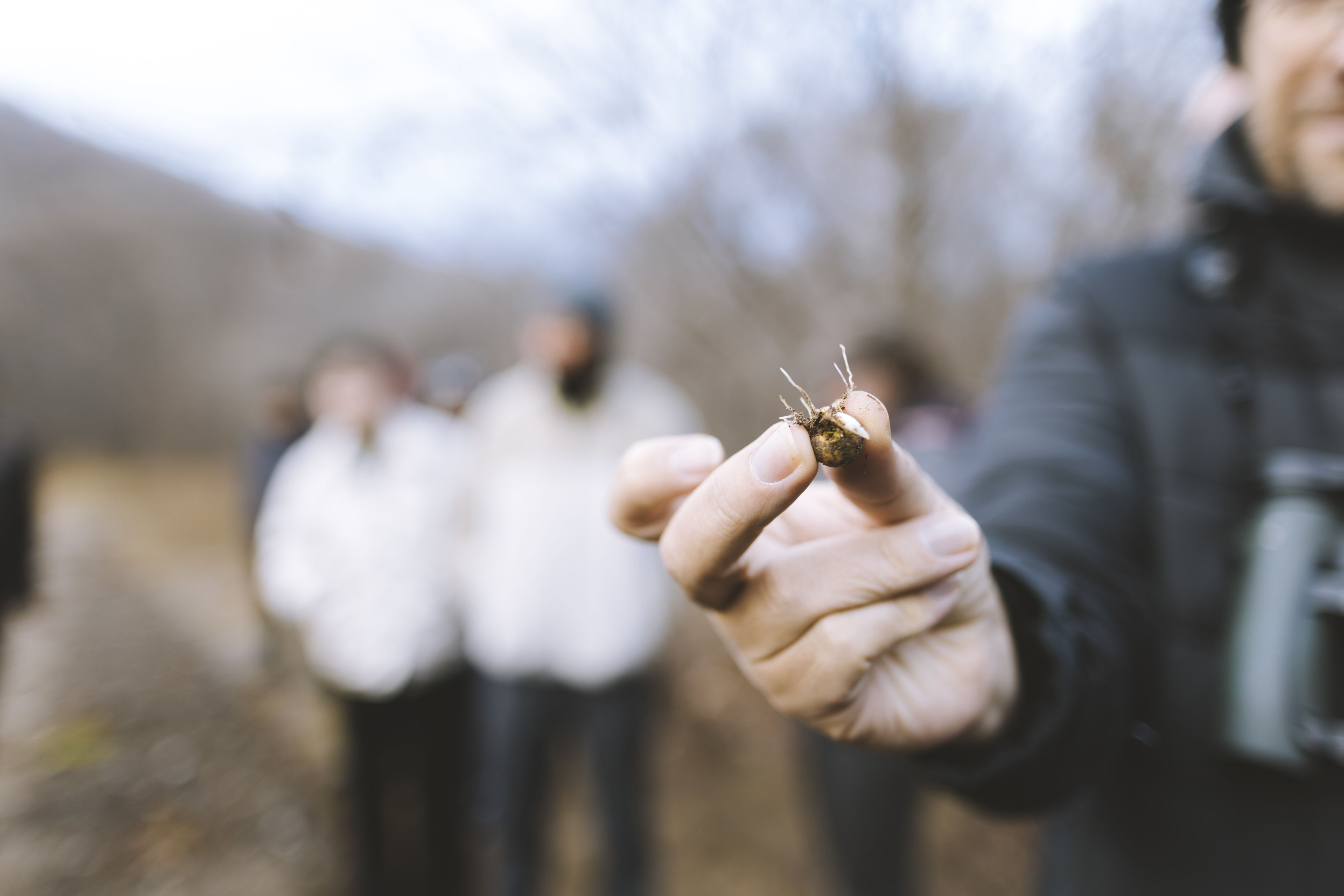
Fritillaria ussuriensis bulb. © Lauren Simmonds / WWF
Fritillaria ussuriensis bulb. © Lauren Simmonds / WWF
WWF-India Advances Human-Wildlife Conflict Management with Innovative Tools
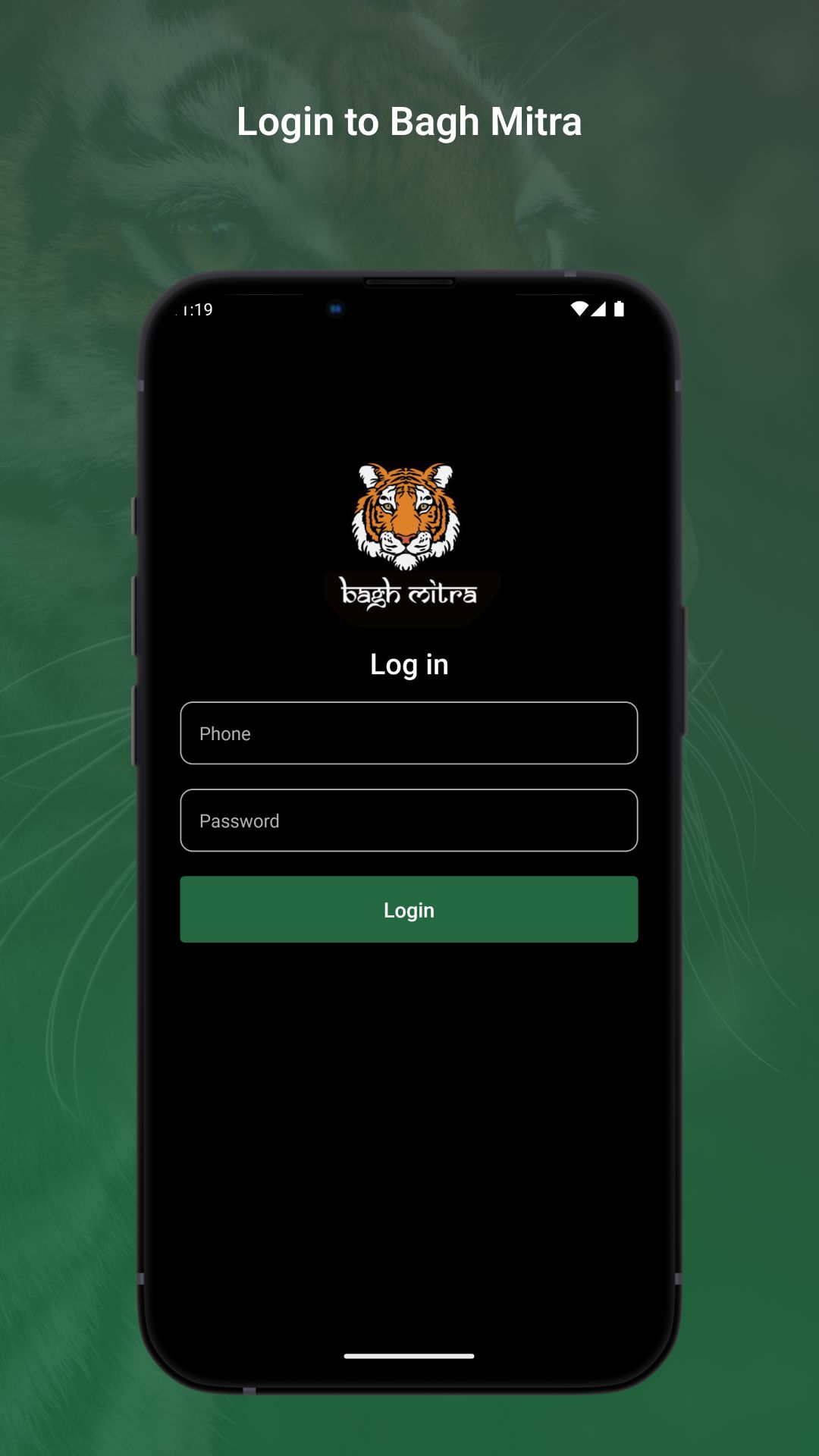
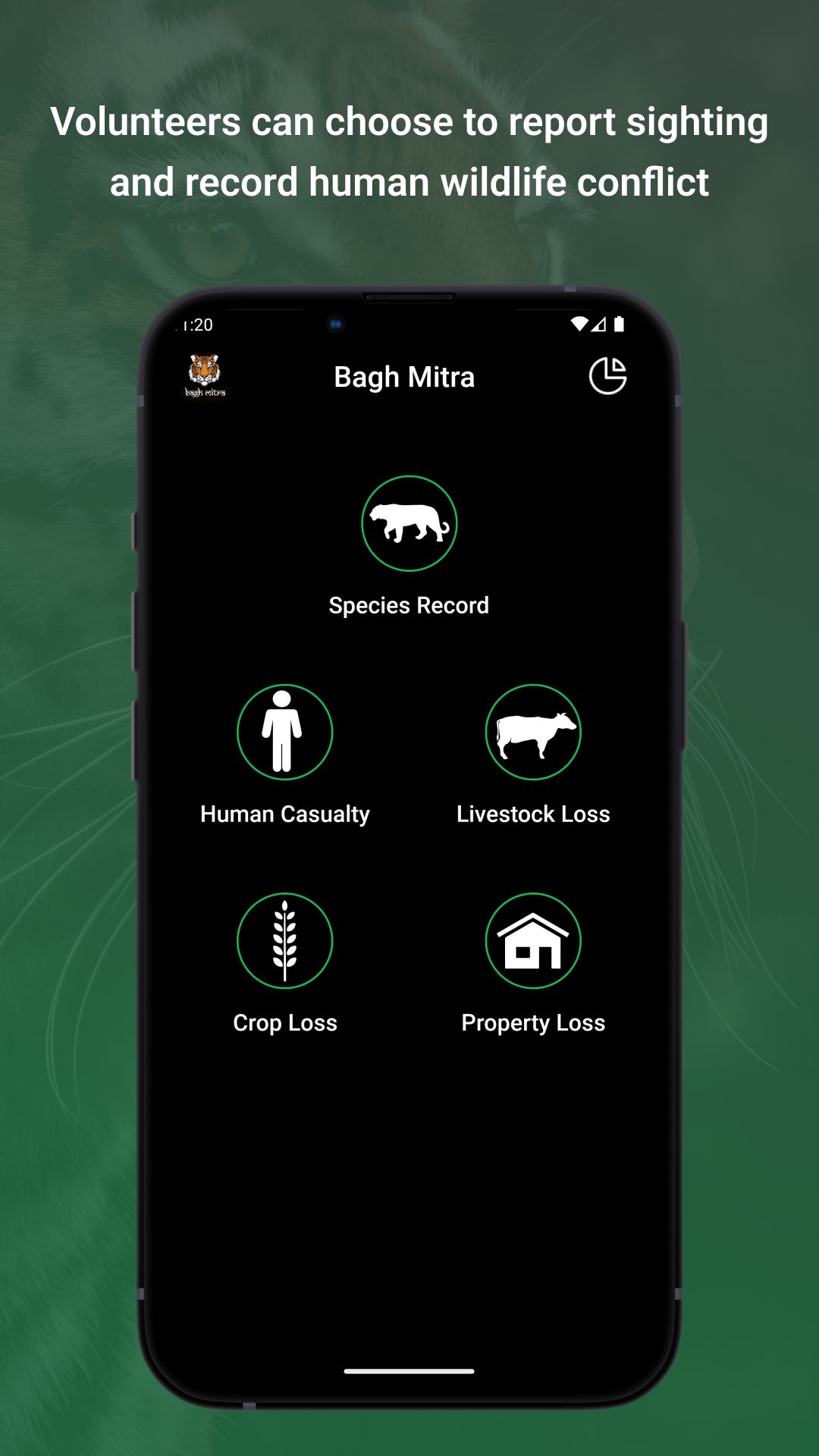
WWF-India has developed cutting-edge applications to strengthen responses to human-wildlife conflict (HWC) and improve mitigation efforts:
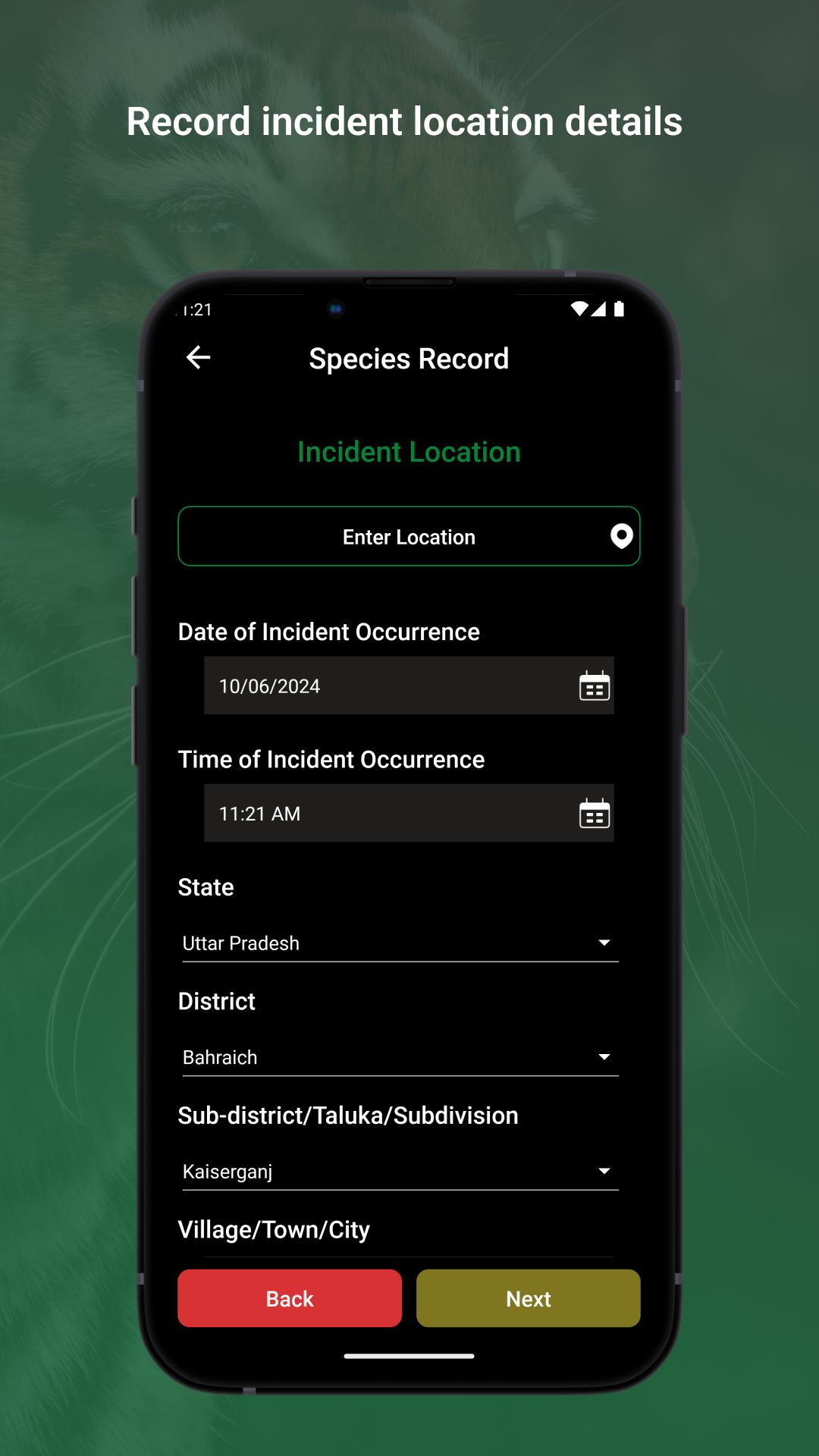
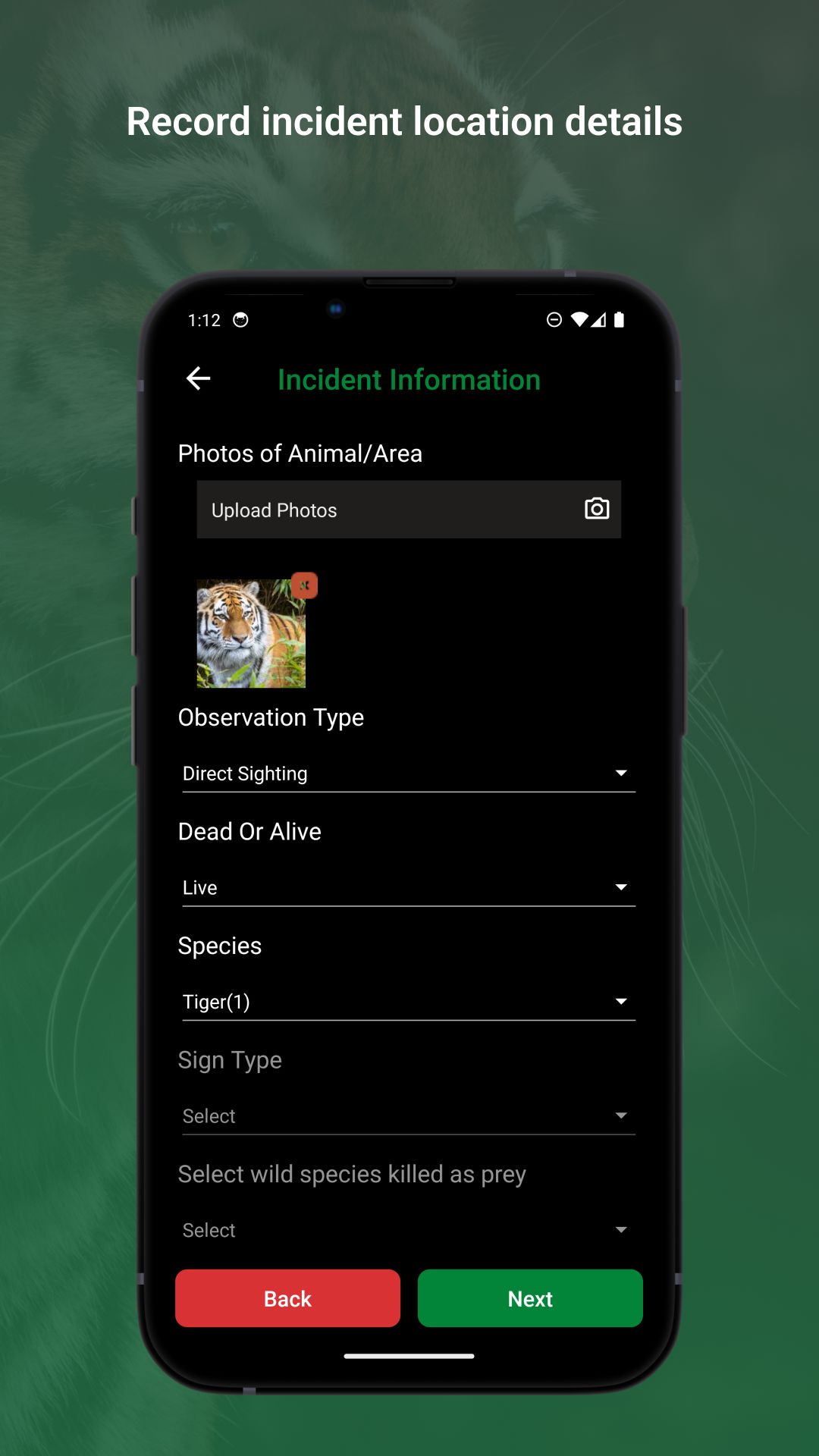
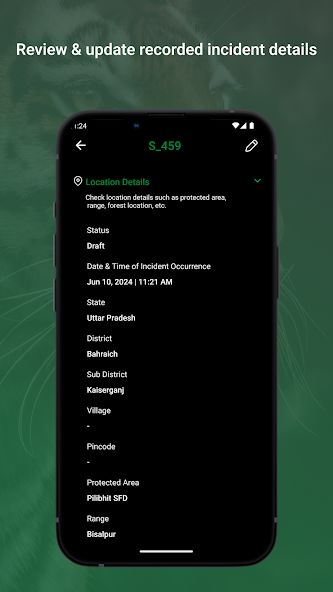
- Community Monitoring App: Enables community volunteers to monitor wildlife in agricultural areas and other zones outside Protected Areas. Volunteers can report sightings or incidents to Forest Department authorities, triggering rapid responses where conflict is anticipated or has occurred, including animal capture or rescue operations.
- Conflict Case Management Platform: Designed for protected area managers to track HWC cases and manage the dispensation of compensation payments for losses, such as livestock or property damage caused by tigers and other wildlife. This platform is currently being piloted in the Terai Arc Landscape.
- Human Wildlife Conflict "Atlas": A comprehensive tool to map HWC trends, frequency, and intensity across India. By integrating spatial data (including social and ecological variables) the atlas will help analyse patterns and drivers of conflict, providing critical insights to inform management strategies.


© WWF-Nepal
© WWF-Nepal
Behaviour Change Communication, Nepal
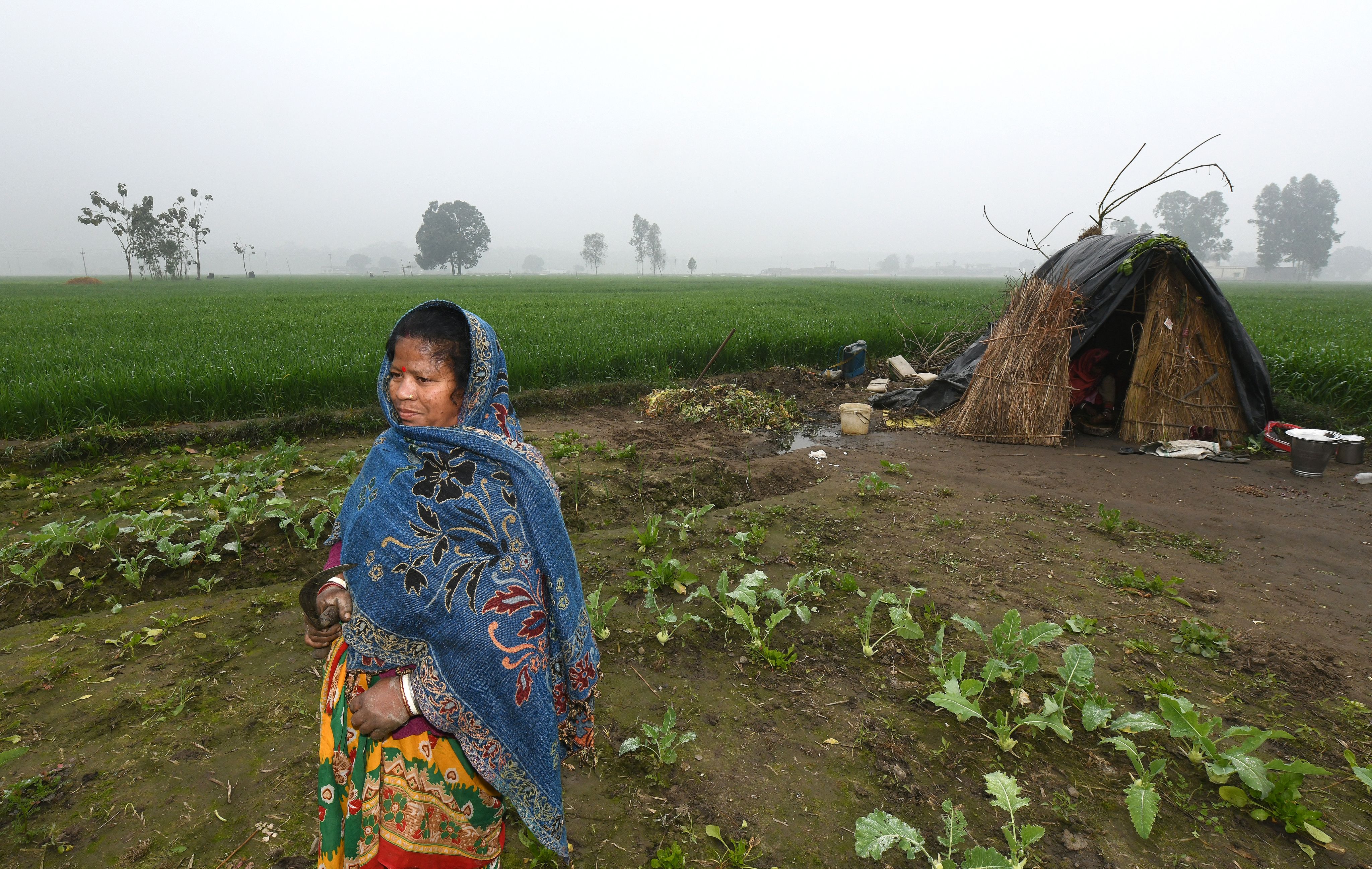
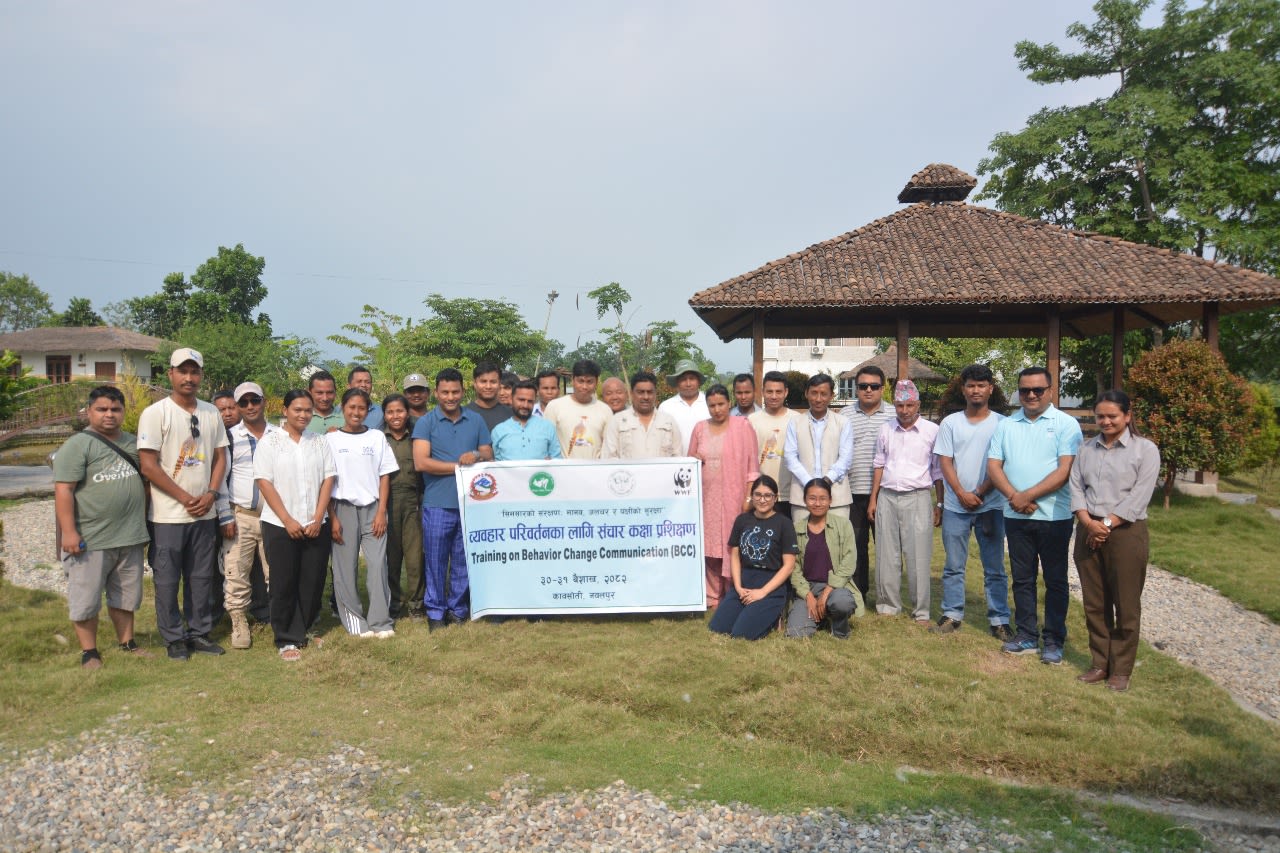
WWF-Nepal implemented integrated Behaviour Change Communication strategies for human-wildlife coexistence through community-led local actions along the HWC hotspots in Terai Arc Landscape. This year WWF-Nepal trained 386 Behaviour Change Communication Champions across Dolpa, Kanchenjunga, and Terai Arc Landscape who went on to lead 437 localised campaigns reaching 33,123 people including herders, forest-edge communities, and women’s groups vulnerable to human-wildlife conflict.
A toll-free message library to provide information on wildlife behaviour, conflict prevention, and relief services was also launched. WWF-Nepal’s assessment in five pilot Buffer Zone User Committee's highlighted improved awareness, reduced fear, and better responses to wildlife encounters. In addition to raising awareness, behaviour change through provision of alternative livelihoods, predator-proof corrals, and other interventions empowering communities to manage wildlife conflict and improve their resilience have been introduced.
Local Leadership Driving Wildlife Monitoring and Tiger Recovery in Nagaland
In Myanmar, WWF continues to work with Indigenous Tangshang Naga communities who are leading conservation efforts in their territories within the Northern Forest Complex. Earlier this year, community-led monitoring recorded numerous species, including five species of wild cat and tiger in Nagaland. Building on this, WWF-Myanmar has launched a four-year GBP 650,000 project funded by the UK Government through Darwin Initiative. This grant will help Naga communities strengthen governance, improve livelihoods, and protect cultural traditions that promote coexistence with nature, driving tiger population recovery through local leadership.
“We’ve held long discussions with community leaders and stakeholders to understand their needs and challenges. Socio-economic surveys and consultations are helping us get a clear picture. So far, everyone has been really welcoming, and we’ve found that women, in particular, are keen to encourage young people to get involved in conservation.”
- Margaret Nyein Nyein Myint | WWF-Myanmar's Wildlife Conservation Programme
LOOKING FORWARD
Works towards coexistence is a process and one that requires sustained investment. The next phase of work will focus on deepening partnerships, mobilising resources and scaling proven approaches. Key priorities include strengthening Indigenous People and local community engagement by investing in a better understanding of social landscapes and co-designing interventions that are locally relevant and equitable. Formalising and expanding community stewardship through community-managed and co-managed areas will be central to ensuring lasting ownership of tiger conservation.
We will also scale up the C2C approach across tiger range countries through partnerships with Indigenous People and local communities, governments, NGOs, and the private sector. This includes establishing standardised human–wildlife conflict data systems for real-time reporting and mapping and co-developing diversified livelihood options with equitable benefit-sharing mechanisms. Expanding collaboration with private sector actors will help co-invest in community enterprises and create market linkages, while advocacy will strengthen Indigenous People and local community representation in decision-making. Finally, we aim to mobilise new funding for coexistence and measure impact on community well-being through baseline monitoring across priority landscapes. These steps reflect a shared commitment to move beyond short-term fixes toward enduring solutions that benefit both people and tigers.








 Built with Shorthand