
END EXPLOITATION
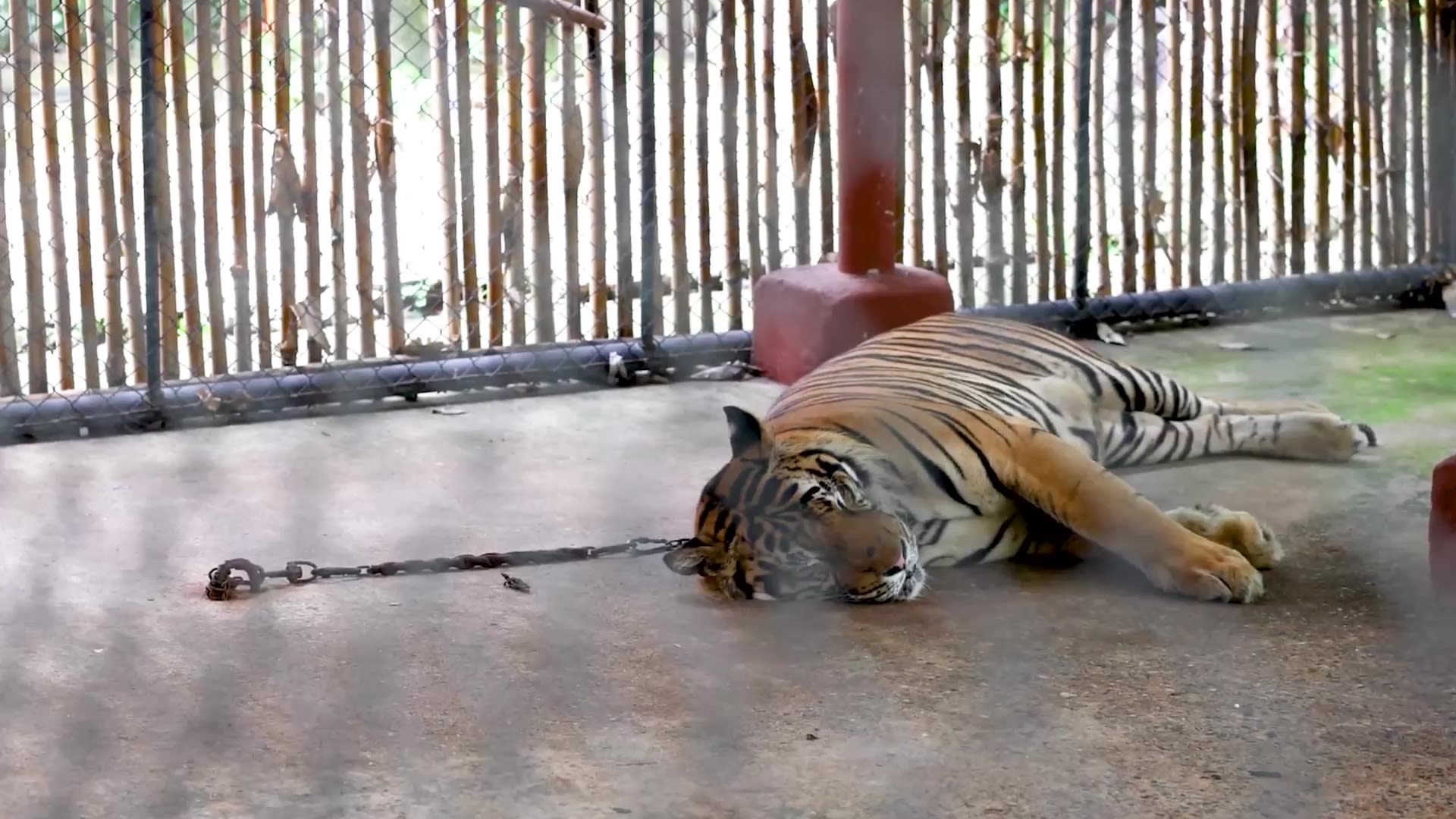
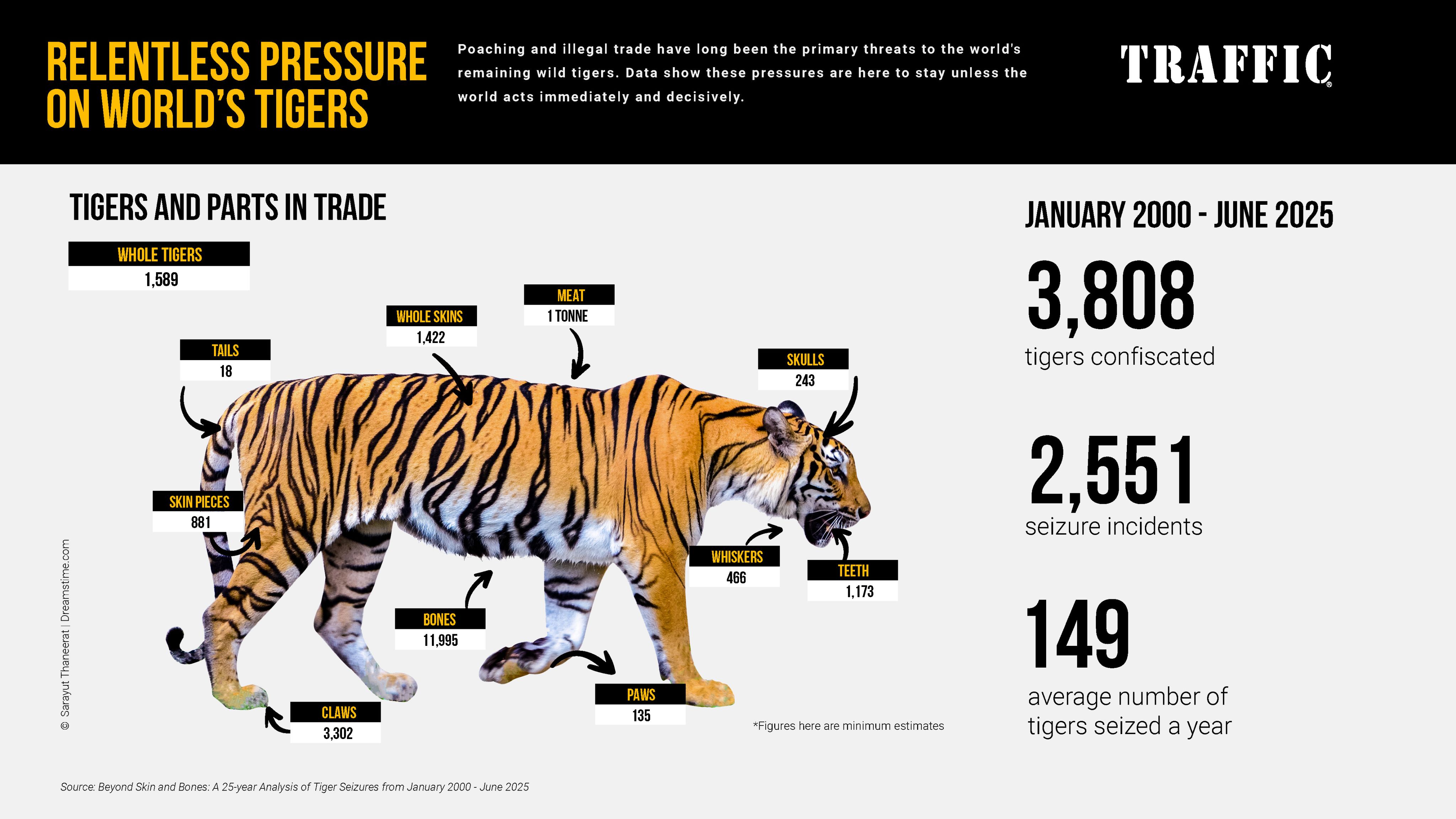
Illegal trade and poaching remain among the gravest threats to tiger survival, and the latest data shows the urgency to act. A new TRAFFIC analysis released in 2025, Beyond Skin and Bones: A 25-Year Analysis of Tiger Seizures, reveals 2,551 seizure incidents since 2000, involving the equivalent of at least 3,808 tigers, with 2023 ranking as one of the highest years for seizure numbers on record. Alarmingly, recent trends show a sharp rise in whole-animal trade, including live tigers, making up over 40% of confiscations, which were mostly recorded in Viet Nam, the Russian Federation, Thailand and Indonesia.
These figures underscore why tackling illegal trade, strengthening anti-poaching efforts and reducing demand for tiger parts and products remain central to our mission. In this section details influencing global policy at CITES CoP20, to new research exposing legislative gaps, to scaling ranger capacity and technology across tiger landscapes. Together, these actions aim to dismantle trafficking networks, protect wild populations and ensure tigers are valued alive in the wild, not exploited for trade.
END TRADE

Advancing big cat protection at CITES Standing Committee
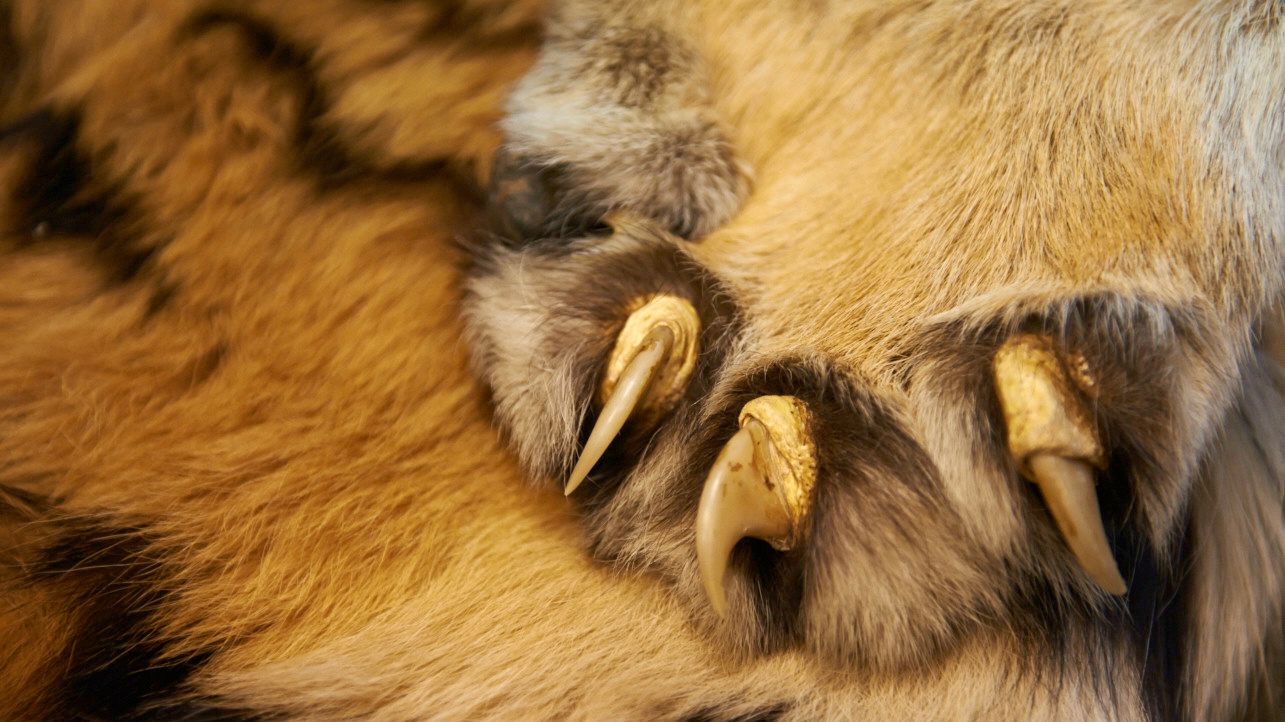
At the CITES Standing Committee meeting held from 3–8 February in Geneva, WWF welcomed the decision to reject expanding the current Resolution on Asian big cats to cover all big cats, as such an approach would have been unnecessarily complex and less effective. Instead, the focus remained on strengthening measures for Asian big cats, which allows for the specifics of trade in these species to be considered and addressed. This still allows other resolutions to be agreed for other species of big cats.
A number of draft Decisions were agreed on other topics that were taken forward to discussion at CoP, as described in the next section.
Progress at CITES CoP20
At the CITES CoP20, held between November and December 2025 in Samarkand, Uzbekistan, significant progress was made to combat illegal trade in Asian big cats, with WWF playing an active role in shaping outcomes. A new reporting mechanism was agreed for all Asian big cats to better understand current trade trends, identify where government interventions have been taken and whether they are effective, and determine where further effort should be prioritised. This improved information will enable future CITES meetings to make more effective decisions to help stop the illegal trade.
CITES rejected a proposal to delete a Decision made in 2007, which states that tigers should only be bred for conservation purposes and not for trade in their parts and products. This Decision has not yet been fully implemented by governments, partly due to a lack of clarity on what was required. Another success of the event was an agreement on approaches to guide governments in stopping captive tiger facilities from contributing to illegal trade.
Finally, CITES urged governments to implement recommended activities agreed at an experts’ meeting in 2023 on big cat trade. WWF participated in that meeting and helped strengthen the outcomes. These decisions mark a critical step towards ending illegal trade and ensuring the survival of tigers and other big cats across Asia.
Law of the Tiger: Legislation analysis
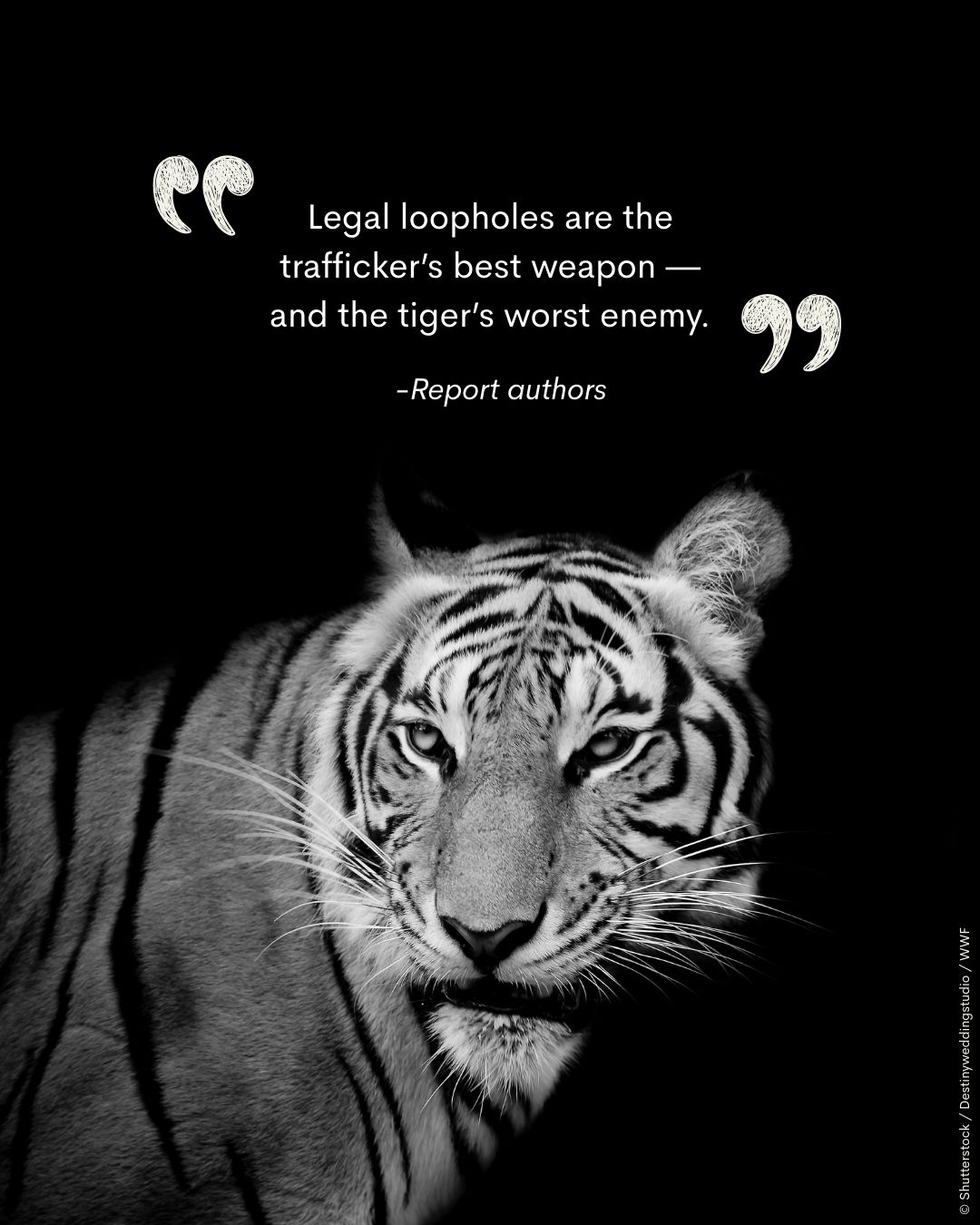
Legal Atlas, WWF and TRAFFIC undertook a comprehensive review of laws in 12 tiger range countries that are related to the trafficking of tigers. The detailed assessments against 41 best legal practices for each country are included on the Legal Atlas platform. A report published in October, Law of the Tiger: A Comparative Study of the Laws Governing Tiger Trafficking in 12 Tiger Range States, revealed critical legal gaps and inconsistencies that unless addressed would hinder efforts to counter the trafficking of tigers. It provides recommendations for legislative reform and policy priorities for national governments.

Asian big cats trade analysis
WWF provided technical and financial support to Go Insight, a data-driven organisation that manage the CatByte platform of big cat trade data, to undertake a review of Asian big cat trade. The report, The Trade in Asian Big Cats: An Analysis of Trends, Threats, Measures and Strategies (2000-2024), draws on verified reports, CITES records and multi-source analyses collated in CatByte, to highlight both the threats and the progress achieved through legal, enforcement and demand-reduction measures to address the trade in Asian big cats.
It revealed that the illegal trade in Asian big cats - including tigers, leopards, clouded leopards, snow leopards, Asiatic cheetahs and lions – has remained persistent and highly adaptive over the last 25 years. This trade is often embedded within organised crime, with government interventions generally insufficient to fully address this.
Tiger trade analysis
A TRAFFIC analysis, Beyond Skin and Bones: A 25-year Analysis of Tiger Seizures revealed an uptick in tiger seizures and a sharp shift towards the trade in whole tigers, both dead and alive. Covering global tiger seizure data from 2000 to June 2025, the report documents 2,551 seizures incidents involving equivalent of at least 3,808 tigers seized. Most of these seizures over 25 years took place in the world’s 13 tiger range countries, which also accounted for most of the tigers seized globally.

© TRAFFIC
© TRAFFIC
Despite decades of international commitments, enforcement efforts and conservation investment, 2023 marked one of the worst years on record with 139 tiger seizure incidents – second only to the peak of 141 seizures in 2019. Over 75% of these seizures occurred in tiger range countries.
Laos Government Adopts Standard Operating Procedure for Disposal of Deceased Captive Tigers
The Department of Forestry (CITES Management Authority for Laos) has formally adopted the Standard Operating Procedure for the Disposal of Deceased Captive Tigers. WWF-Laos led the development of this with partners. The document provides clear and standardised protocols for inspecting, documenting and disposing of deceased tigers in captive facilities, thereby strengthening the transparency, oversight and accountability of such events, with the intent to reduce the likelihood of illegal trade. This delivers part of a CITES Standing Committee recommendation, with training of officials to implement the Standard Operating Procedure also required.
“WWF is working alongside Lao authorities to close the net on poachers and traffickers targeting wildlife across Laos. In Nam Poui National Protected Area, government rangers supported by WWF training and intelligence from Wildlife Enforcement Networks are turning information into action: seizures, arrests and prosecutions that disrupt criminal supply chains. This progress is more than statistics; it is the foundation for recovery. With Nam Poui as a cornerstone and under the Government's Lao Tiger Recovery Action Plan (2026–2035), we are supporting efforts to prepare the conditions for tigers to return naturally, safeguarded by highly trained rangers, healthy ecosystems and strengthened law enforcement. When prey populations recover, habitat connectivity is restored and the landscape is secure, tigers will find their own way back. Laos is preparing to welcome them."
- Dr. Akchousanh Rasphone, Conservation Director, WWF‑Laos
Targeted demand reduction for outbound travellers
In partnership with China Customs, WWF-China delivered joint outreach campaigns at two major international transport hubs: Beijing Daxing International Airport and the Mohan China–Laos Railway Port, with support from Beijing and Kunming Customs, respectively. Through interactive displays, photo booths and traveller engagement stations, Customs officers and WWF staff promoted sustainable travel and highlighted the illegality and risks of purchasing, transporting, or mailing wildlife products, with tiger products highlighted as a key example. The initiative aims to raise awareness among outbound tourists and international passengers, who are key consumer groups for tiger products, travelling to high-risk destinations.


WWF-China’s targeted outreach campaign at Beijing Daxing International Airport. © WWF-China
WWF-China’s targeted outreach campaign at Beijing Daxing International Airport. © WWF-China
Targeted demand reduction along the China-Laos Railway
The China–Laos Railway has rapidly become a major passenger route between China and Southeast Asia, operating 2,582 cross-border trains and carrying 600,000+ passengers from 115 countries since April 2023. Its rising traffic also makes it a hotspot for potential wildlife trafficking, including tiger products. To address this risk, in 2025 WWF-China launched a targeted Public Service Announcement campaign to reduce demand for tiger products and promote sustainable, wildlife-friendly travel along this high-risk route. Nearly 2,000 tray-table advertisements were placed on cross-border trains for outbound passengers travelling to Laos. The campaign generated over three million exposures, strengthening awareness among international travellers to key hotspot destinations and discouraging participation in the illegal tiger trade.
Demand reduction pilot in Viet Nam
WWF-Viet Nam has been preparing Social Behaviour Change Communication strategies to reduce tiger bone glue purchase intention in Viet Nam based on existing scientific and empirical research. These strategies are planned to be tested on digital platforms in 2026. This pilot phase will serve as a proof of concept, generating evidence and insights to inform the design and scaling-up of a longer-term demand reduction communications strategy.
Collaboration with customs to raise awareness at borders
In cooperation with Yunnan CITES Management Authority and Kunming Customs, WWF-China co-developed three outdoor public-service announcements aimed at outbound travellers and border communities. The materials feature tiger among the most frequently trafficked species and reinforce legal responsibilities and enforcement consequences. The announcements are now displayed in Hekou City (China–Viet Nam border), covering major traffic corridors, border-trade areas and joint-inspection buildings, ensuring high visibility for priority audiences. This is the only set of official outreach materials used by China Customs at key borders that explicitly focuses on refusing illegal wildlife trade, including tiger products.

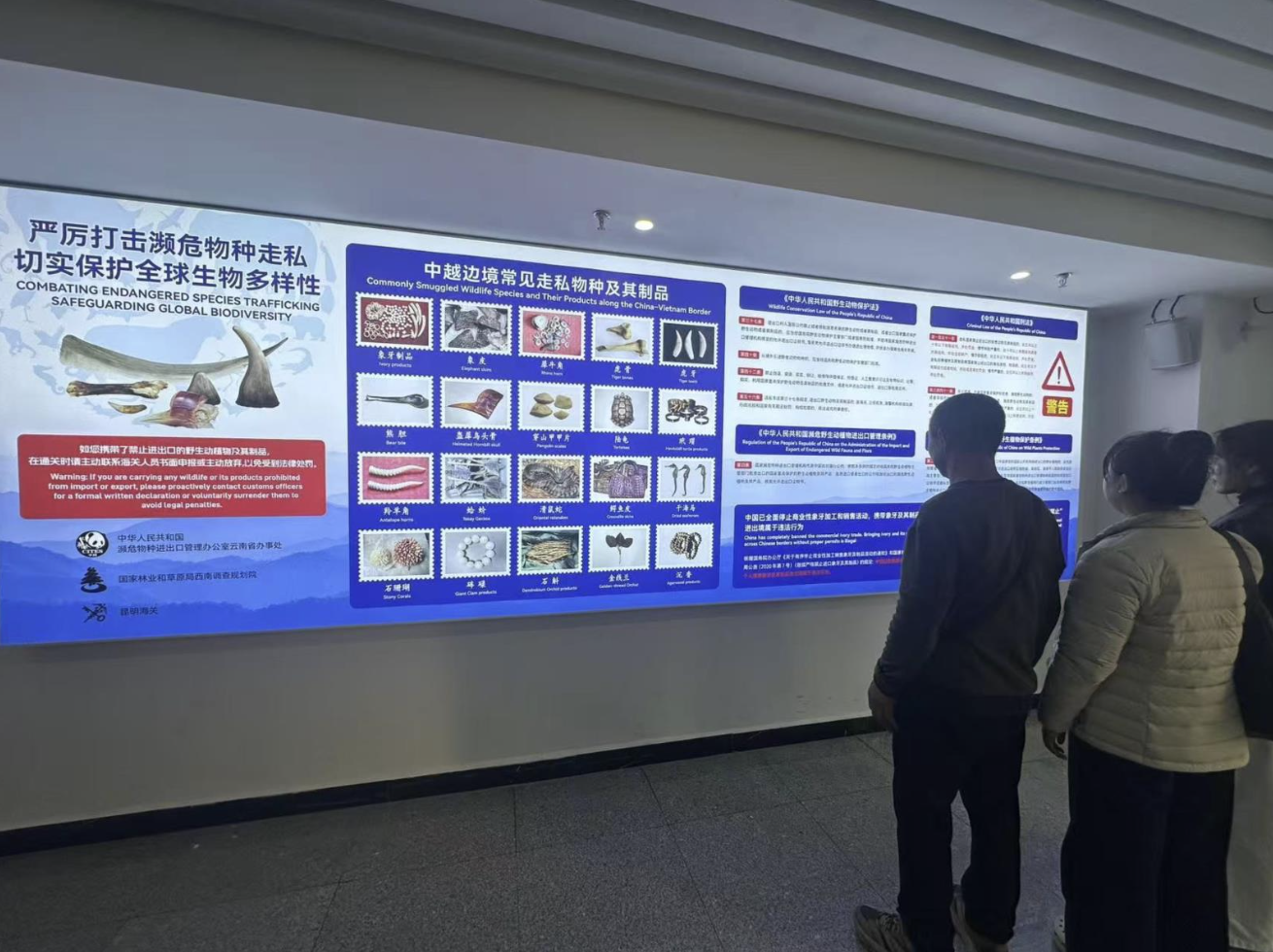
PSA poster at Hekou joint-inspection building informs travellers and border residents about illegal wildlife trade laws, including those on tiger products. © WWF-China
PSA poster at Hekou joint-inspection building informs travellers and border residents about illegal wildlife trade laws, including those on tiger products. © WWF-China

WWF-China’s tiger demand reduction campaign displayed on tray tables of high-speed trains along the China-Laos Railway. © WWF-China
WWF-China’s tiger demand reduction campaign displayed on tray tables of high-speed trains along the China-Laos Railway. © WWF-China
END POACHING

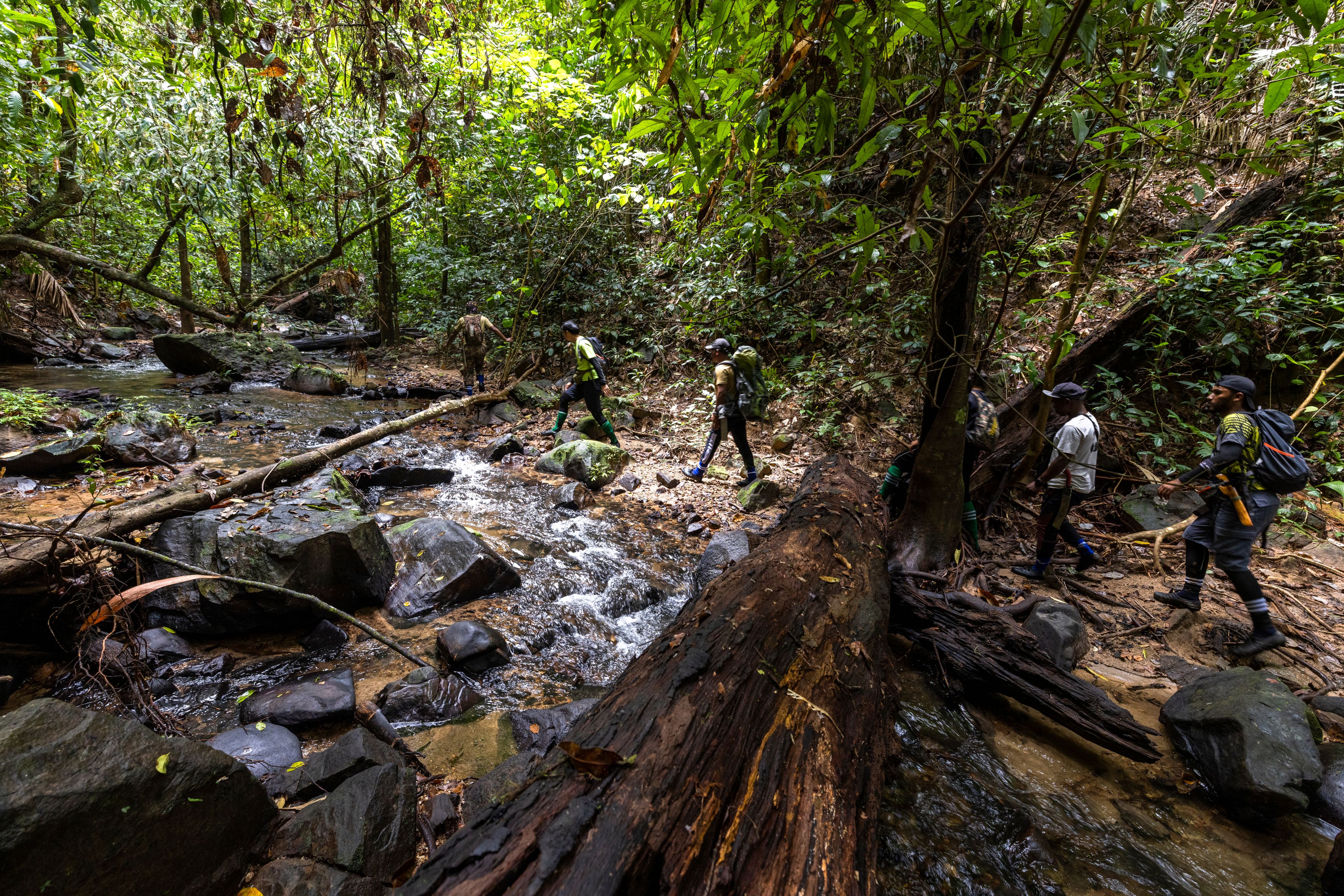
Behind every wild Amur tiger there are many protectors
In the snow-covered forests of Northeast China, where temperatures plunge to minus 30°C, rangers brave knee-deep snow to protect Amur tigers. Once hunters, some local community members have transformed into guardians of the forest.
Technology is amplifying this dedication. The SMART patrol system, developed through a partnership including WWF, digitises data collection and uses AI to plan efficient routes, making conservation smarter and faster. Before this upgrade filling out a patrol form could take rangers half a day to complete, now it’s just a few taps of a button. These innovations, combined with community commitment, are ensuring tigers return and thrive.
Building Hunchun Community Patrol Team, China
In 2025, the Hunchun Community Patrol Project continued to strengthen local involvement in protecting Amur tigers. Three patrol teams were established in Songlin, Hongqihe and Dong’ala villages, bringing together 12 community rangers who received standardised training in wildlife tracking, GPS use and safety protocols. These teams play a vital role in reducing poaching risks and improving habitat protection.
Over the year, the patrol teams completed 624 patrols, covering 11,111 kms and logging 12,323 patrol hours. Their efforts resulted in the removal of 123 snares, significantly reducing local poaching threats. They also recorded 1,230 wildlife signs and documented 12 Amur tiger and leopard records, providing critical data for ongoing conservation efforts.
While these achievements are encouraging, sustaining patrol frequency and ensuring long-term community partnerships require continued support and resources. The work is demanding, often carried out in harsh winter conditions and success depends on collaboration, training and trust-building. By combining local knowledge with digital tools and structured monitoring, the project is laying a strong foundation for resilient conservation and securing the future of Amur tigers.
New partnership set to revolutionise monitoring of tiger habitat
The SMART EarthRanger Conservation Alliance was announced in October at the IUCN World Conservation Congress. This significant milestone in protected and conserved areas monitoring and management sees the world's two biggest and best monitoring tools team up in a new alliance to develop a game-changing update to existing monitoring. The two different suites of tools, SMART's adaptive management and analysis with EarthRanger’s domain awareness system will cover over 2000 sites globally. Together, they will have a greater impact across tiger range countries in the coming years and improve conservation management and WWF will be heavily involved in the design, development and deployment of the new tool and the alliance.
FEATURE STORY
Breaking New Ground: WWF-Malaysia Welcomes First Two Women Jahai Rangers
WWF-Malaysia has welcomed its first two women rangers from the Jahai community – Suzana binti Ali, and Risslin binti Kamarollah (who goes by Mila) – into the Project Stampede team.
Their entry into conservation marks a breakthrough in a field historically dominated by men, broadening community views on women’s roles in daily life and conservation work, while respecting cultural traditions.
“I took up the challenge of becoming an Orang Asli female ranger, and it is not easy, and not something I chose lightly. It requires personal courage and pushing beyond my limits. I carry the hope, as an Orang Asli female ranger, to protect the forest and the Orang Asli heritage so that it can continue to live on.” - Suzana binti Ali
Through Project Stampede, supported by Maybank and carried out in partnership with communities, both women now contribute to core operational work. Suzana manages patrol scheduling and supports wildlife post-mortem reporting. Mila assists with reporting work and has begun to carry out camera trapping - essential for monitoring wildlife including tigers and their prey.
“I wanted to become a ranger because I’ve been familiar with the forest since I was young. The forest is like my second home. When I learned there was an opportunity to protect the forest and wildlife—especially tigers—I felt this was a truly meaningful job. I joined WWF because I could see that they are genuinely serious about protecting nature and about involving Orang Asli communities, not just coming in, doing their work, and leaving.” - Risslin binti Kamarollah
WWF-Malaysia aims to further expand opportunities for Indigenous women, ensuring fair access to training and employment, strengthening their pathways into conservation leadership and community stewardship. Suzana and Mila reflect a growing spark of interest among Jahai women in taking on environmental roles - protecting their ancestral lands and inspiring the next generation.

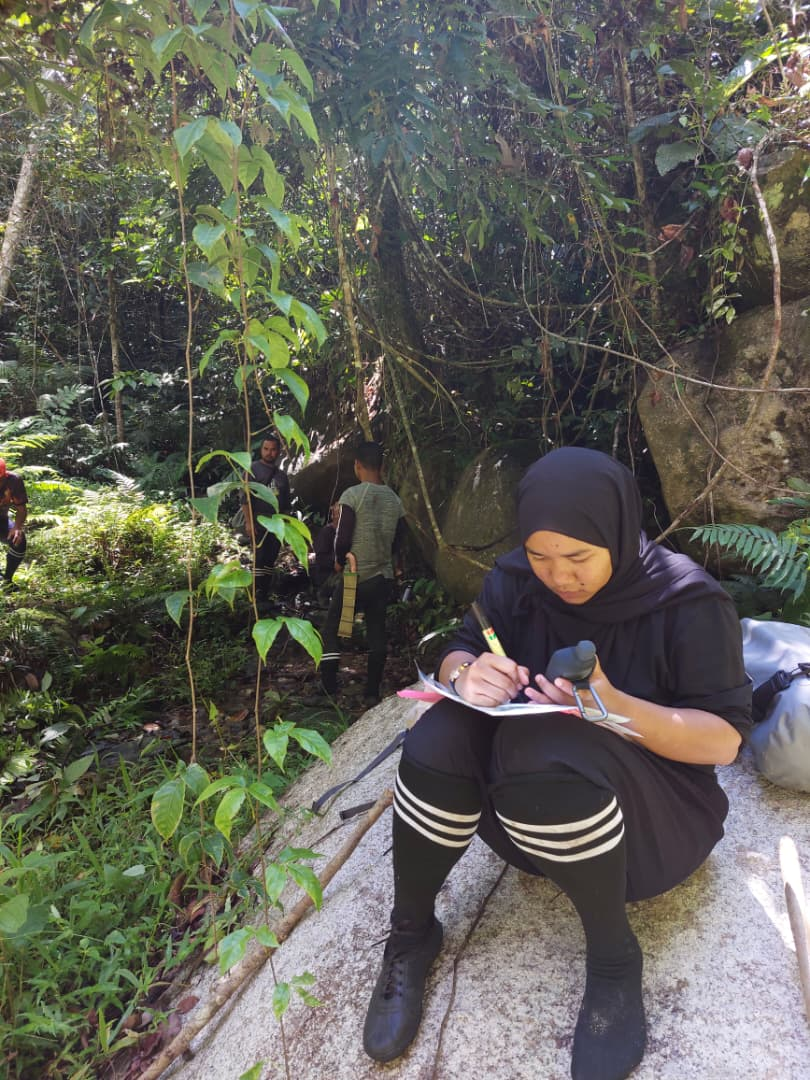
Mila (Risslin binti Kamarollah) © WWF-Malaysia
Mila (Risslin binti Kamarollah) © WWF-Malaysia

Suzana binti Ali © WWF-Malaysia
Suzana binti Ali © WWF-Malaysia
Breaking the trade chain while strengthening on ground anti-poaching efforts in South Asia
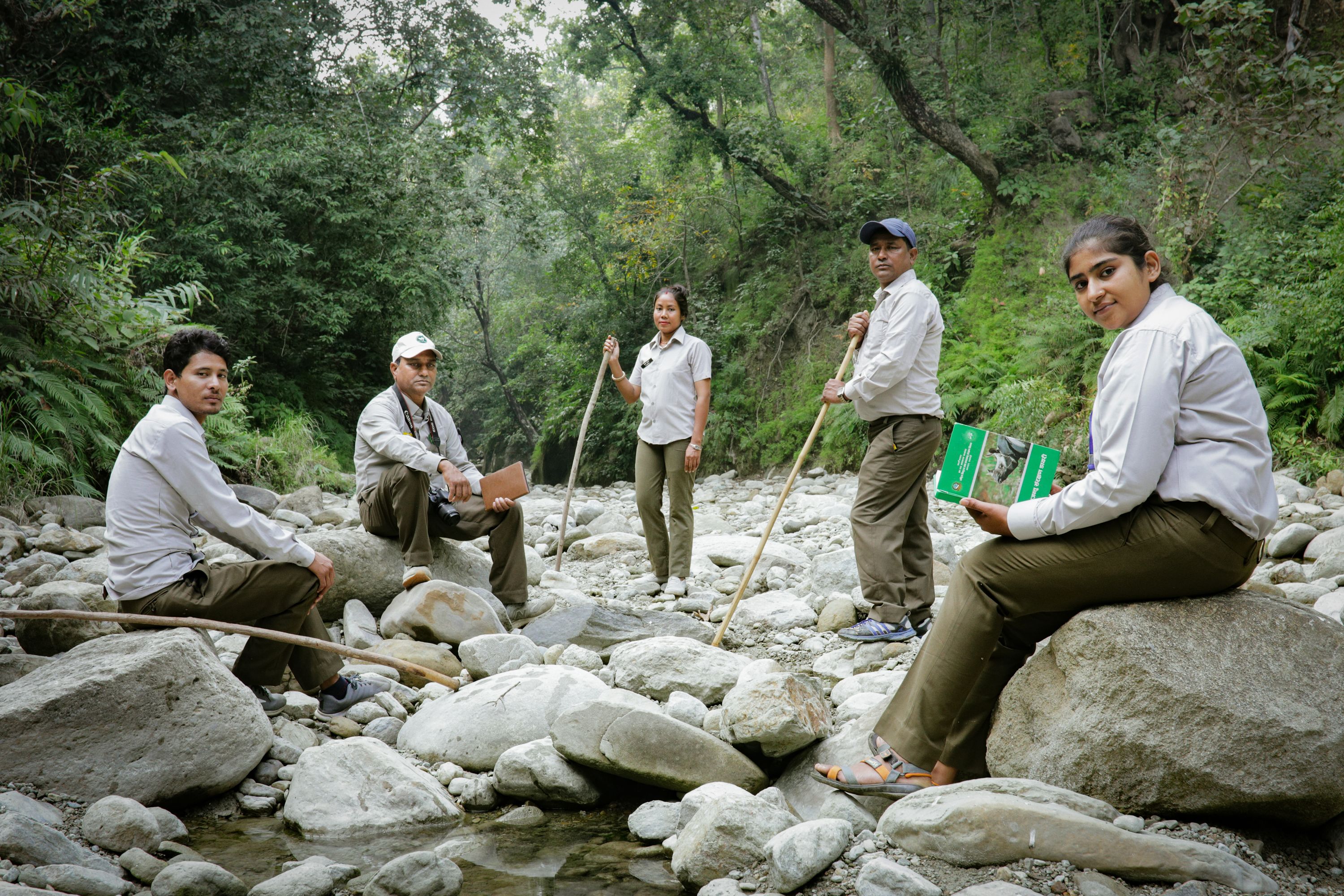
Bhutan, India and Nepal have been working together under a joint project “Countering Wildlife Trafficking in South Asia through the Wildlife Crime Prevention Framework” funded by the US Department of State. Under the project Bhutan, Nepal and India have strengthened the capacity of on ground ranger teams, custom officers and other enforcement agencies. In line with Nepal and India, Bhutan created an intern agency National Wildlife Crime Coordination Committee to tackle wildlife crime in Bhutan. The team also encouraged ranger-to-ranger interaction and collaboration between India, Nepal and Bhutan in the Brahmaputra Tiger Landscape and Terai Arc Tiger landscape.

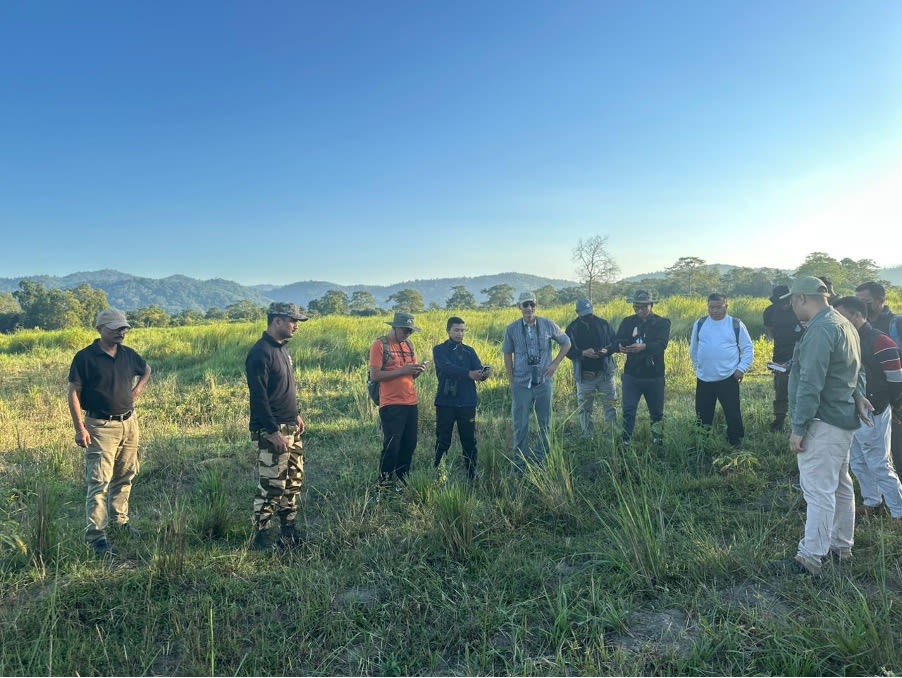
Ranger teams training together. © Supplied
Ranger teams training together. © Supplied
New SMART guidance launched to monitor human-wildlife conflict
The Applied Conservation Technology Congress was held in Hanoi in November. It brought together 450 participants from 77 countries and was co-hosted by WWF-Viet Nam and Save Viet Nam's Wildlife and funded by the SMART and EarthRanger partnership.
At this event the SMART Human Wildlife Conflict Monitoring Guidance was launched. This training resource provides a guide on how to leverage the Human-Wildlife Conflict Spatial Monitoring and Reporting Tool (SMART) data model and use it to collect and analyse data on human-wildlife conflict incidents to inform decision making. The intended target groups for training are field rangers, frontline staff, protected area authorities, community scouts, rapid response teams and other conservation practitioners who are involved in human-wildlife conflict monitoring and management. The sites where this data model can capture information on conflict include terrestrial protected areas, community conservancies, private reserves and other protected and conserved areas.
In addition to this, Bunty Tao, President of the Ranger Federation of Asia and an Indigenous ranger from Kamlang Tiger Reserve in India, presented at the congress how Indigenous wisdom and innovative technology can work hand in hand to support effective conservation in tiger reserves.

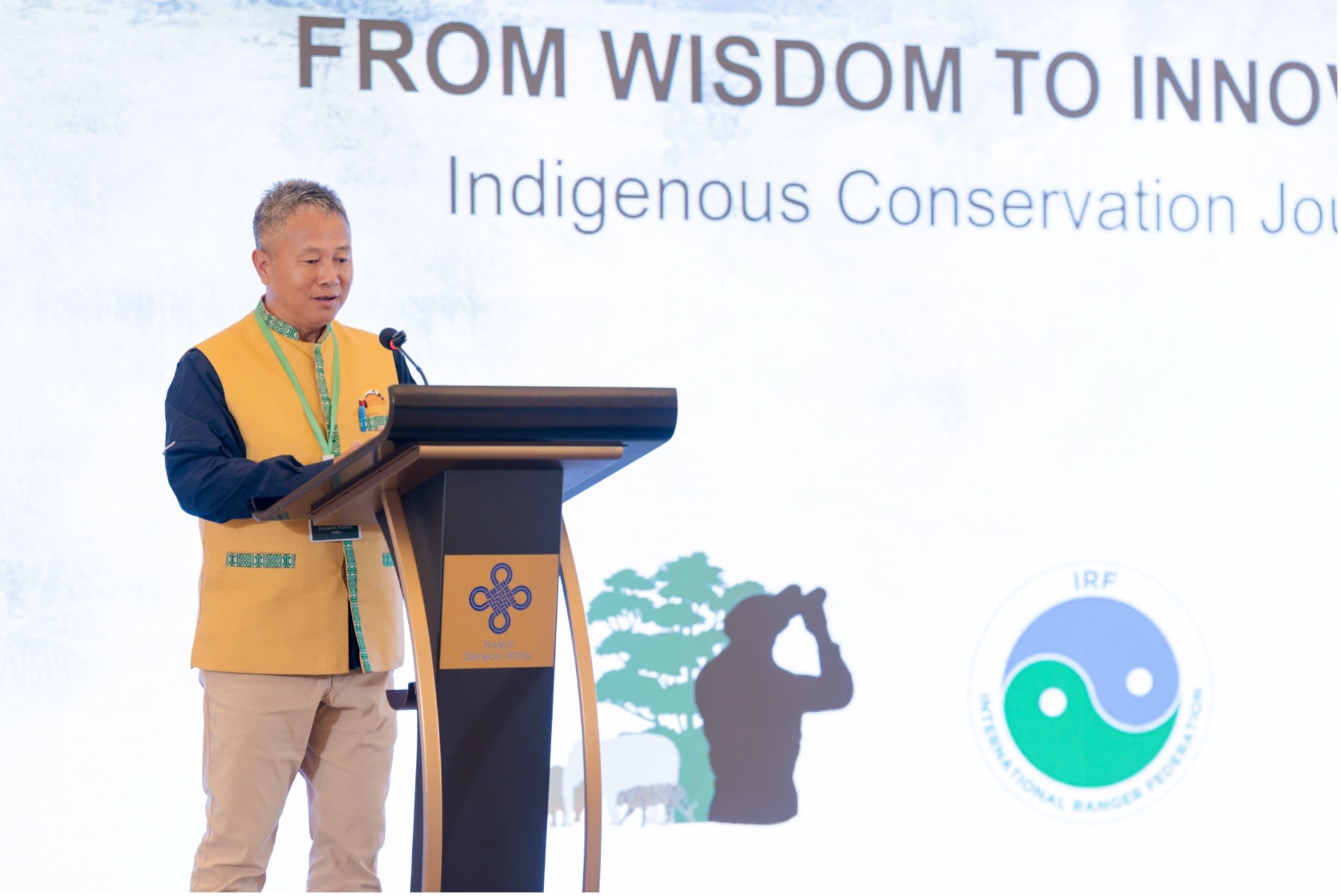
Bunty Tao. © Supplied
Bunty Tao. © Supplied
SMART expands in Bhutan
WWF-Bhutan has supported the rollout of the national SMART Connect system which will soon have all Protected Areas and Divisional Forest Offices contributing data remotely to national monitoring centre. The impact of this rollout is improved data flow, frequency and availability at a national level which will allow for more frequent and effective national level analysis of threats and conflict events which will in turn impact responses and resource allocation.

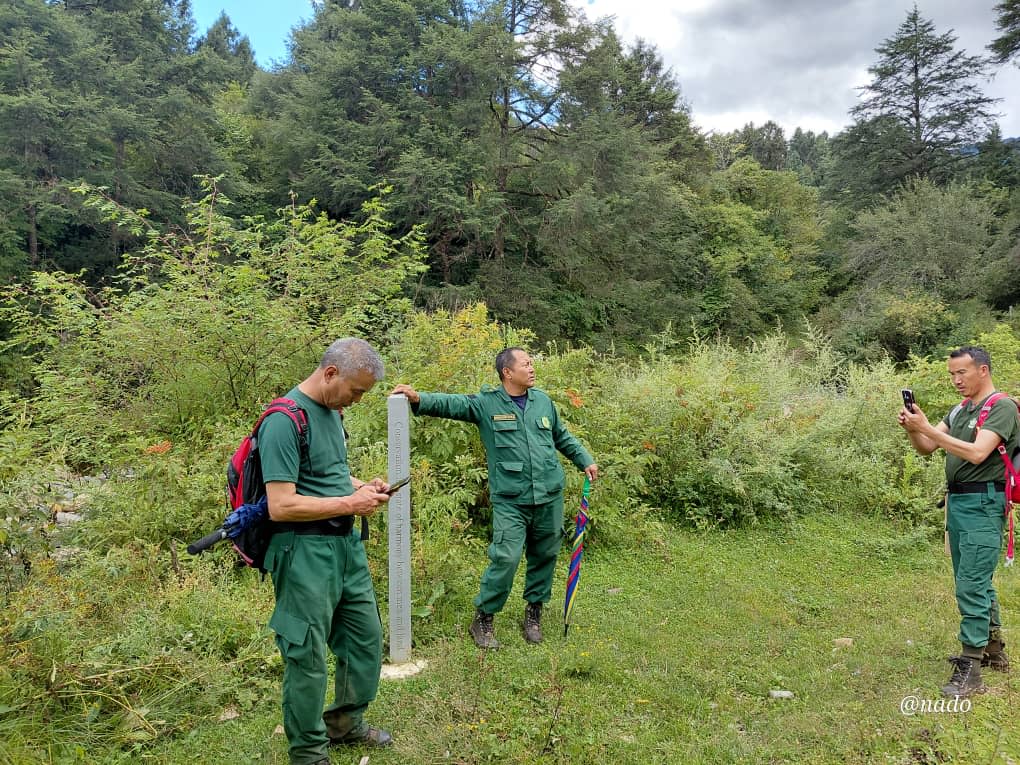
Bhutanese rangers use phones installed with SMART Connect to photograph and document their patrol route. © Supplied
Bhutanese rangers use phones installed with SMART Connect to photograph and document their patrol route. © Supplied
Towards Zero poaching in Bumthang Forest Division, Bhutan
Bumthang and Trongsa are home to 21 tigers, Bhutan’s largest population outside protected areas. However, these forest divisions face growing threats from poaching and timber extraction. In response, WWF-Bhutan and the Department of Forests and Park Services rolled out a Zero Poaching Strategy, boosting surveillance and community engagement. In 2025, over 50 forestry staff, including 30 frontline rangers, were trained in SMART patrolling, evidence-based monitoring and legal procedures. SMART patrols now cover high-risk zones, improving detection of illegal logging, forest fires and wildlife presence, including tigers, red pandas and Asiatic black bears.
Community outreach reached 200 residents, strengthening cooperation and awareness of conservation laws, while new patrol gear improved ranger safety and morale, marking a major step toward safeguarding this critical area and its wildlife.
Looking Forward
End trade: In 2026, WWF will take decisive steps to strengthen wildlife justice systems and curb illegal tiger trade across Southeast Asia. A key priority will be publishing a landmark report in collaboration with partners, TRAFFIC and Monitor Conservation Research Society, that analyses prosecutions of tiger-related crimes in tiger range countries. This report will provide a systematic review of seizures, arrests, prosecutions, convictions and sentencing. Grounded in criminological theory, the analysis will offer a nuanced understanding of offenders, sanctions and justice processes. Drawing on proven methodologies WWF will adapt systematic coding techniques to examine prosecution records and identify practical recommendations to improve wildlife crime enforcement.
WWF will also use insights from the recent Law of the Tiger report (2025) to advocate for stronger national laws and policies that combat tiger trafficking effectively. Building on commitments made at the CITES CoP20, we will support governments in implementing CITES measures in countries most implicated in the tiger trade. In addition, the WWF Network will promote the Tackling Tiger Trafficking Framework, share recent case studies and encourage governments and stakeholders to adopt strategic approaches that disrupt illegal trade networks.
End poaching: Looking ahead to 2026, WWF will focus on consolidation, collaboration, and practitioner-led innovation across the conservation technology and ranger support landscape. A central priority will be advancing the new collaboration between the SMART Partnership and EarthRanger through the SMART–EarthRanger Conservation Alliance. This will be progressed through strengthening of monitoring, capacity building and resource mobilisation for effective management of tiger sites. WWF will also support tiger range countries to better embed human–wildlife conflict monitoring within existing SMART operations, aligning efforts to reduce illegal exploitation while fostering coexistence. In parallel, WWF will work closely with the partners to further strengthen the professionalisation of rangers across the tiger ranger countries through capacity building, improving their welfare conditions and further encouraging their ranger to ranger learning opportunities. WWF will contribute to sector-wide collaboration by supporting the next Asian Ranger Congress in Bhutan in December 2026, alongside dedicated summits for Indigenous Peoples and Local Communities and women rangers, and by strengthening transboundary protection efforts.
Through these actions, we aim to close critical gaps in enforcement, strengthen deterrence and ensure tiger conservation efforts are backed by robust legal and policy frameworks.










 Built with Shorthand