
INTRODUCTION
Over the past year, we have demonstrated that the future of tigers is built on innovation, collaboration and sustainable finance grounded in tried and tested conservation interventions that deliver real results. Together, we have helped accelerate this future, shaping landscapes where tigers can thrive, communities can prosper and nature can flourish.
Scroll to read about some of WWF's tiger conservation highlights of 2025...
TIGER RANGE COUNTRY HIGHLIGHTS OF 2025
Bhutan: In Zhemgang, the Conflict to Coexistence Approach is helping guide the rollout of a community co-designed strategy to manage human–wildlife conflict.
India: Many tiger populations across WWF-India's six conservation landscapes continue to recover, with numbers rebounding in areas where they were small or absent for decades. India also begun its national tiger population estimation — the largest exercise of its kind globally.
Nepal: Began it's national tiger census, the last results were a milestone for the country which had more than doubled their tiger population in just 12 years.


Myanmar: Community-led monitoring in Nagaland recorded five wild cats and a tiger. WWF-Myanmar also secured a UK Darwin Initiative grant in partnership with Naga communities for tiger recovery and coexistence through the creation and management of an Indigenous Community Conserved Area.
Thailand: Strong evidence was recorded proving that tigers are naturally dispersing north in Thailand, an achievement only made possible thanks to decades of habitat, prey and connectivity restoration.
Malaysia: Poaching threats remain low in the north of the country, with only one active snare detected in the Belum-Temengor Forest Complex. WWF-Malaysia's collaboration with the Orang Asli in the area also increased to reach 150 community patrol team members.
Indonesia: Rigorous monitoring in a key connectivity area between Rimbang Baling Wildlife Reserve and Batanghari Protected Forest confirmed the presence of three Sumatran tigers and established a baseline density metric, strengthening adaptive management across the landscape.

Laos: The government of Laos, supported by WWF-Laos, finalised the National Tiger Action Plan 2026-2035 which provides plans for tackling the illegal tiger trade and long-term recovery of it's tiger landscapes, to one day support the return of wild tigers to Laos.
Cambodia & Viet Nam: WWF-Viet Nam advanced on long-term tiger reintroduction plans by securing an MOU with Dak Lak Province, strengthening transboundary program with Cambodia, and laying groundwork for prey recovery and a potential prey breeding centre.

China: Consistent recordings of multiple tigress and cubs in northeast China give hope to recovering tiger populations in the region. China estimates there are now 70 wild tigers in the region up from 20 individuals in 2010.

Kazakhstan: Continued ungulate restoration throughout 2025 in the Ile-Balkhash Nature Reserve has seen tiger prey populations continue to increase which will be critical to the future return of wild tigers here after a nearly 80 year absence.

Foreword
Stuart Chapman | Lead, WWF Tigers Alive Initiative
The challenges of conserving and recovering tiger populations remain significant, but so do the opportunities for transformative change to deliver benefits for tigers, nature, and people. In 2025 and beyond, WWF Tigers Alive focus on turning commitments into action.
A major priority is developing and implementing the sustainable finance solutions that were initiated in partnership with the Tiger Conservation Coalition and governments across Asia. Building on the momentum of 2024, we have started to operationalise financial mechanisms that will unlock long-term funding streams for tiger landscapes. These mechanisms are critical to securing the future of tigers and the ecosystems they anchor, while also supporting climate resilience and community well-being.
Equally important is strengthening rights-based partnerships with Indigenous Peoples and local communities as rights-holders and co-stewards of tiger landscapes. Coexistence remains at the heart of our vision for tiger conservation. We continue to expand and develop approaches that are co-designed and governed with Indigenous Peoples and local communities, respect cultural values and customary institutions, and address locally defined priorities. From human wildlife conflict management to livelihood and governance and benefit sharing mechanisms, these collaborations will deliver shared decision making, mutual accountability, and equitable outcomes – ensuring conservation is inclusive, just and sustainable.
The Tiger Conservation Coalition continues to be a game-changing alliance, amplifying our collective impact. Together, we are tackling issues no single organisation can solve such as mobilising significant financial resources, influencing policy, and scaling conservation solutions across tiger range countries. This spirit of collaboration will guide our next steps as we work toward ambitious goals, including securing US$1 billion in additional funding for tigers and tiger landscapes, Asia’s most vital ecosystems.
Innovation will remain central to our approach, with new mechanisms such as the Global Tiger Innovation Facility - launched in 2025 - accelerating the testing and scaling of approaches. We are refining strategies based on lessons learned, investing in technologies that improve monitoring and enforcement, and strengthening coexistence models to reduce human-wildlife conflict. At the same time, we remain steadfast in our efforts to combat the illegal wildlife trade, supporting the implementation of government commitments made to address tiger trade at this year’s meeting of the Conference of the Parties to the Convention on International Trade in Endangered Species of Wild Fauna and Flora (CITES), and to restoring prey populations, both critical pillars for tiger recovery.
The road ahead may be challenging, but the progress we’ve made proves that species recovery is possible, even for large landscape-scale carnivores. With vision, investment, and collaboration, we can ensure tigers thrive for generations to come. Now is the time to act boldly and collectively.
Finally, thank you. None of our impact would be possible without the dedication of our partners, donors, and communities. Your support enables us to push boundaries for tiger conservation protecting countless other species and sustaining the landscapes that people depend on.
Join us as we take the next steps toward a future where tigers and people thrive together.



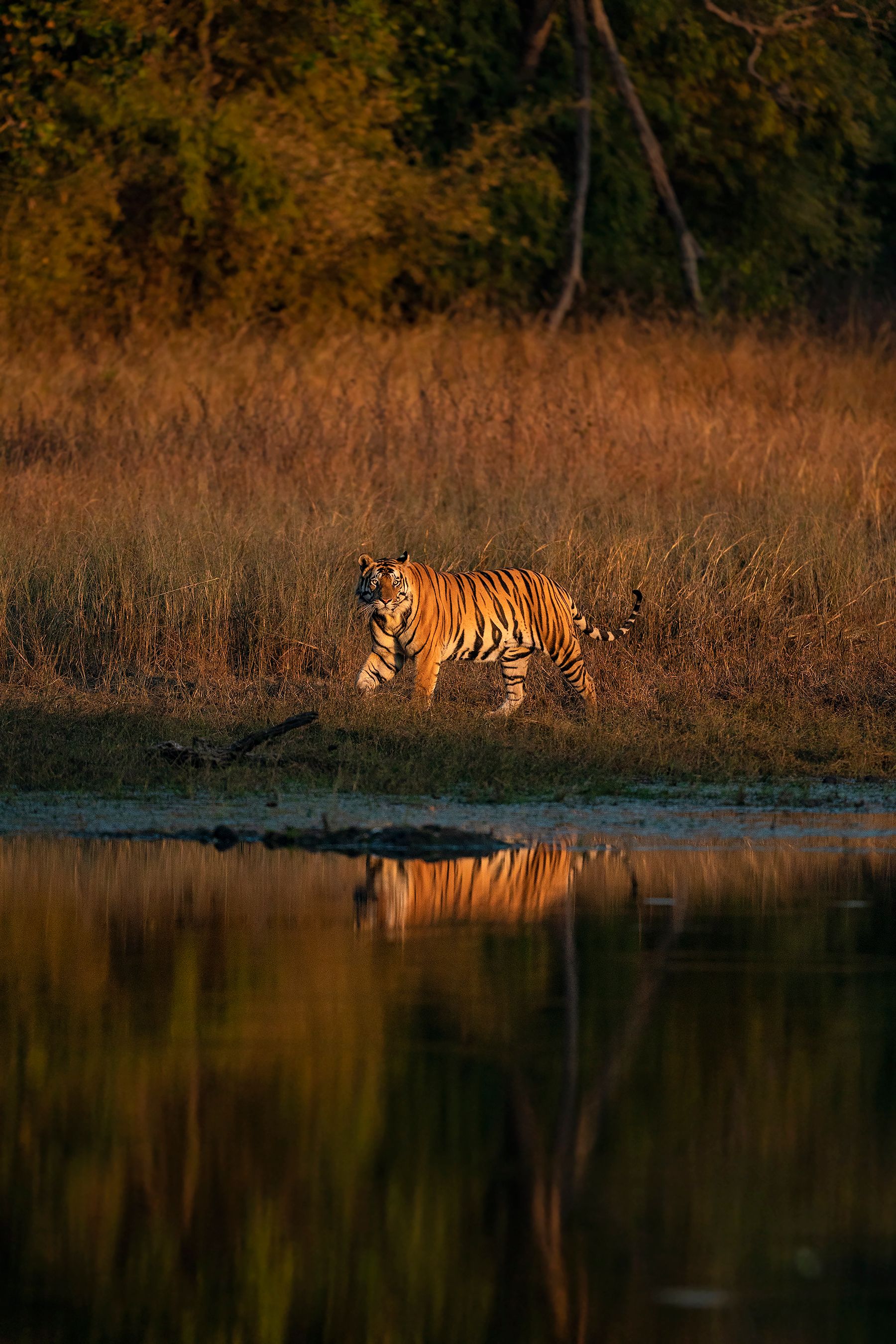
© Suyash Keshari / WWF-Australia
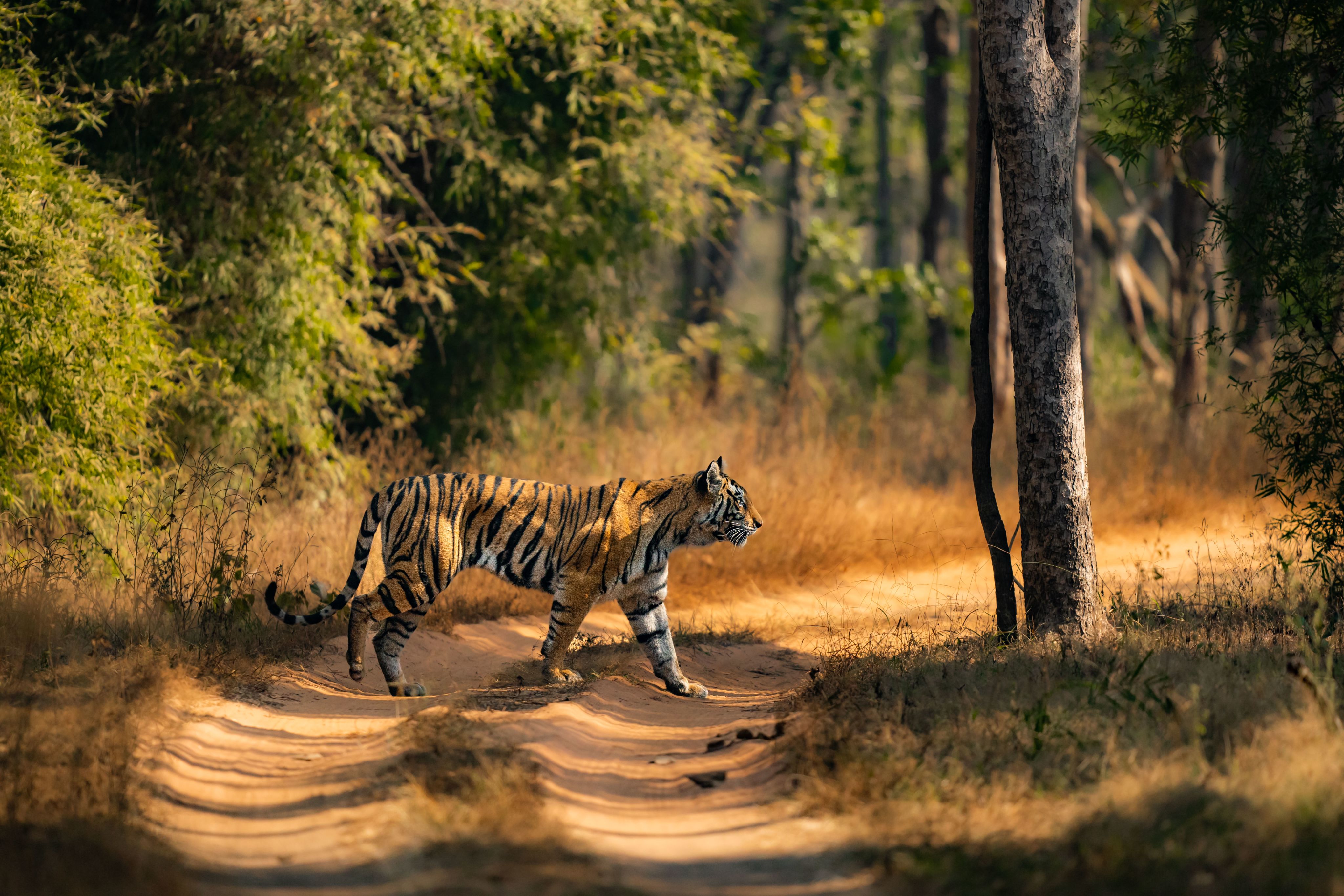
© Suyash Keshari / WWF-Australia








 Built with Shorthand